Beyond Edinburgh's Gates: Five Historic Journeys That Complete Your Scottish Capital Adventure
Edinburgh's magnetic pull can make it tempting to spend entire visits within the capital's ancient boundaries. Yet Scotland's most compelling stories often unfold where city meets countryside, where Edinburgh's influence rippled outward to shape the nation's destiny. These five destinations, each reachable within two hours of Waverley Station, don't merely offer pleasant diversions—they complete Edinburgh's historical narrative in ways that staying within the city limits cannot achieve.
1. Linlithgow Palace: Where Scotland's Royal Drama Unfolded
Distance from Edinburgh: 30 minutes by train Historical Connection: The Stewart dynasty's power base that shaped Edinburgh's royal quarter
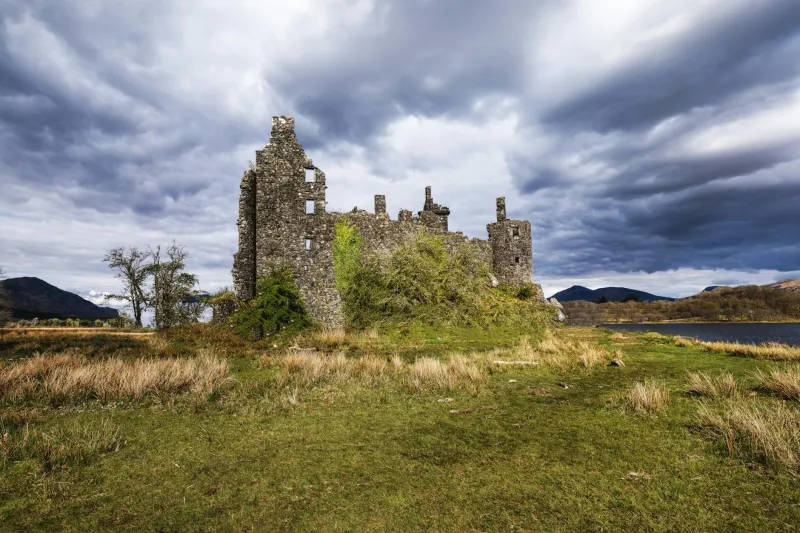
Linlithgow Palace stands as Edinburgh Castle's greatest rival in Scottish royal history. This magnificent ruin, perched beside a tranquil loch, witnessed the births of James V and Mary Queen of Scots—monarchs whose turbulent reigns would forever alter Edinburgh's character.
The palace's Great Hall, though roofless, retains an grandeur that Edinburgh Castle's more cramped royal apartments cannot match. Here, the Stewart court held magnificent feasts that established Scotland's cultural sophistication, attracting European diplomats and artists to a nation often dismissed as barbarous.
Walking through Linlithgow's chambers, visitors understand why Edinburgh's Holyroodhouse Palace developed as it did. The capital's royal residence was built to complement, not compete with, Linlithgow's magnificence. The two palaces worked in tandem—Linlithgow for grand ceremonies, Holyrood for political intrigue.
The palace fountain, recently restored, once flowed with wine during royal celebrations. This extravagance, replicated later at Edinburgh's royal occasions, demonstrated Scotland's ambition to match European court culture despite limited resources.
Modern Connection: The ruins' romantic appeal influenced Edinburgh's own preservation movement, inspiring Victorian efforts to protect the capital's medieval architecture.
2. The Antonine Wall: Rome's Scottish Frontier
Distance from Edinburgh: 45 minutes to Rough Castle Historical Connection: The Roman presence that shaped Edinburgh's earliest strategic importance
Scotland's "other" Roman wall receives far less attention than Hadrian's southern barrier, yet the Antonine Wall's relationship with Edinburgh proves more significant. Built around AD 142, this turf and timber fortification marked Rome's furthest permanent advance into Scotland, establishing the geographic and cultural boundaries that would influence Edinburgh's development for centuries.
Rough Castle, the wall's best-preserved fort near Falkirk, offers tangible evidence of Roman Scotland. The defensive ditches, ramparts, and building foundations reveal sophisticated military engineering that impressed even hostile Pictish observers. These techniques would later influence Edinburgh Castle's defensive evolution.
The wall's abandonment around AD 160 created a power vacuum that allowed native tribes to consolidate around defensible positions—including Edinburgh's Castle Rock. The Roman withdrawal established the geographic framework within which Edinburgh would emerge as Scotland's premier fortress.
At Callendar Park in Falkirk, a superb visitor centre explains the wall's broader context. Interactive displays demonstrate how Roman retreat allowed native cultures to flourish, setting the stage for Edinburgh's rise as a Pictish and later Scottish stronghold.
Modern Connection: The wall's designation as a UNESCO World Heritage Site reflects growing recognition of Scotland's Roman heritage, paralleling Edinburgh's own World Heritage status.
3. Forth Bridge Approaches: Engineering Edinburgh's Connection to the World
Distance from Edinburgh: 20 minutes to South Queensferry Historical Connection: The transport revolution that transformed Edinburgh from isolated capital to connected metropolis
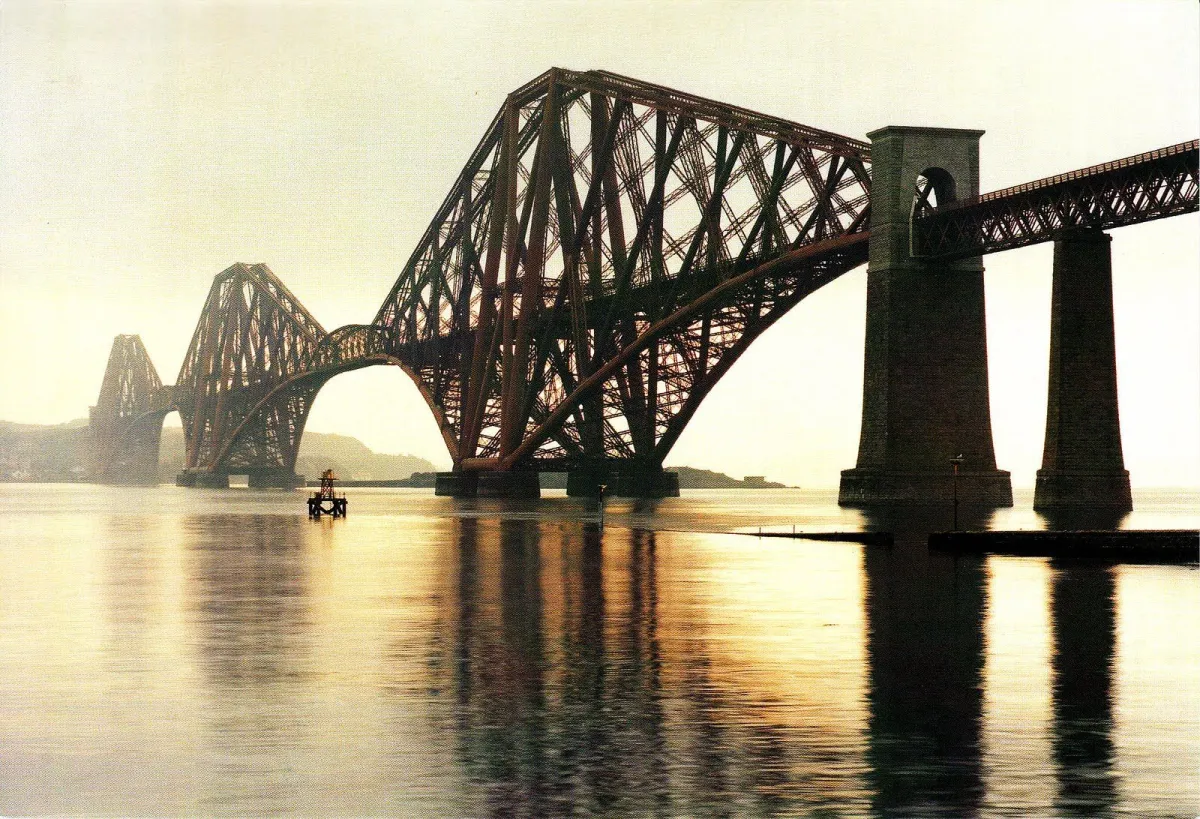 Photo: Forth Bridge, via i.pinimg.com
The Forth Bridge, that iconic cantilever marvel of 1890, represents more than Victorian engineering prowess—it symbolises Edinburgh's transformation from a relatively isolated northern capital into a fully connected component of the British economy.
Before the bridge, reaching Edinburgh from the north required dangerous ferry crossings or lengthy detours. The capital's merchants and politicians understood that Scotland's economic future depended on reliable transport links, making the bridge's construction a national priority.
South Queensferry, the bridge's southern terminus, preserves the atmosphere of the ferry port that once controlled Edinburgh's northern approaches. The historic Hawes Inn, where Robert Louis Stevenson set scenes from "Kidnapped," recalls the days when crossing the Forth represented genuine adventure.
From the bridge approaches, Edinburgh's skyline appears as Victorian travellers first glimpsed it—a dramatic silhouette rising from the southern shore. This perspective explains why the capital made such powerful impressions on visiting dignitaries and writers.
The newer road bridge (1964) and Queensferry Crossing (2017) continue this theme of connection, ensuring Edinburgh's accessibility in the modern era. Together, the three bridges represent 130 years of engineering evolution.
Modern Connection: The bridges' maintenance and replacement programmes reflect Edinburgh's continuing importance as Scotland's governmental and cultural centre.
4. Craigmillar Castle: Edinburgh's Forgotten Royal Retreat
Distance from Edinburgh: 15 minutes by bus from city centre Historical Connection: The alternative royal residence that shaped Edinburgh's courtly culture
Craigmillar Castle, despite lying within Edinburgh's modern boundaries, feels worlds away from the tourist-thronged Old Town. This remarkably complete 14th-century fortress served as the Scottish court's preferred retreat when Edinburgh Castle became too politically charged or militarily threatened.
Mary Queen of Scots fled here following the murder of her secretary David Rizzio in Holyrood Palace. The castle's peaceful setting allowed her to recover whilst remaining close enough to Edinburgh to maintain governmental control. The "Craigmillar Conference" of 1566, held in the castle's great hall, allegedly plotted the murder of Mary's husband Lord Darnley.
The castle's architecture reveals sophisticated defensive thinking that influenced Edinburgh Castle's later modifications. The tower house design, with its emphasis on comfortable accommodation within defensive walls, became a Scottish specialty that distinguished the nation's castles from purely military English counterparts.
From Craigmillar's ramparts, Edinburgh's skyline appears as medieval courtiers knew it—dominated by the castle and St Giles' crown spire, with Arthur's Seat providing dramatic backdrop. This perspective illuminates the capital's natural defensive advantages whilst revealing its medieval extent.
Modern Connection: Craigmillar's excellent preservation demonstrates Historic Environment Scotland's commitment to protecting Edinburgh's wider heritage landscape.
5. Rosslyn Chapel: The Medieval Mystery That Inspired a Capital's Artistic Ambition
Distance from Edinburgh: 25 minutes by bus to Roslin village Historical Connection: The architectural masterpiece that influenced Edinburgh's own medieval building projects
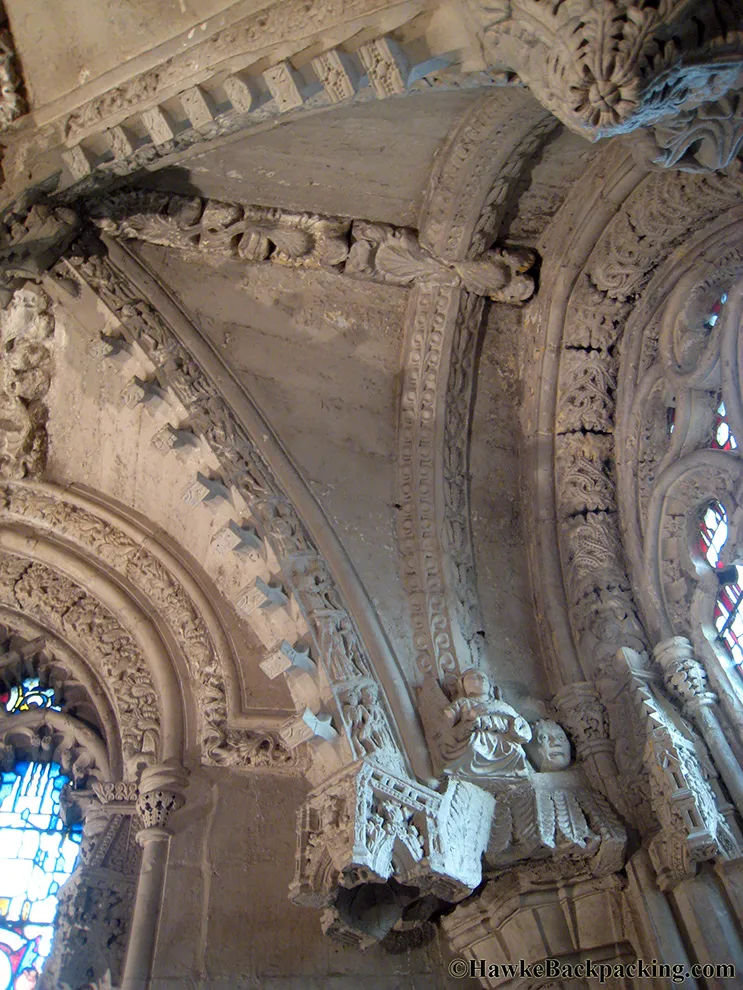 Photo: Rosslyn Chapel, via hawkebackpacking.com
Rosslyn Chapel, despite Dan Brown's fictional embellishments, represents genuine medieval Scottish artistic achievement. Built by the Sinclair family from 1446, this extraordinary building demonstrates that 15th-century Scotland could produce architecture rivalling any European court.
The chapel's incredibly detailed stone carving—featuring everything from biblical scenes to pagan "Green Man" figures—reveals sophisticated artistic networks connecting Scotland to continental Europe. These same networks brought skilled craftsmen to work on Edinburgh's St Giles' Cathedral and other major projects.
The Sinclair family's wealth, derived from their position as Earls of Orkney, funded artistic patronage that challenged assumptions about medieval Scotland's cultural limitations. Their example inspired other noble families to commission major works in Edinburgh, contributing to the capital's architectural richness.
The chapel's famous "Apprentice Pillar," with its intricate spiral carving, demonstrates technical skills that medieval Edinburgh's masons would have recognised and admired. The building's overall conception—a private chapel of unprecedented elaboration—influenced later Scottish ecclesiastical architecture.
Modern Connection: Rosslyn's restoration, completed in recent decades, employed traditional techniques also used in maintaining Edinburgh's historic buildings, creating valuable craft knowledge that benefits the capital's preservation efforts.
Planning Your Historical Journey
These five destinations work best as individual day trips rather than rushed combinations. Each deserves several hours' exploration to fully appreciate its connection to Edinburgh's story. Public transport serves all locations adequately, though car rental offers greater flexibility for combining sites with countryside exploration.
Together, these journeys reveal Edinburgh not as an isolated capital, but as the beating heart of a complex historical landscape where royal ambition, military necessity, and cultural achievement combined to create Scotland's most compelling urban story.