Blood and Covenant: Greyfriars Kirkyard's Martyrs Who Died for Scotland's Soul
Amidst the weathered headstones and gothic monuments of Greyfriars Kirkyard lies a chapter of Scottish history that few visitors truly comprehend. Whilst tourists flock to pay respects to Greyfriars Bobby, they unknowingly walk above ground soaked with the blood of martyrs—men who died not for sentiment, but for the very soul of Scotland's religious independence.
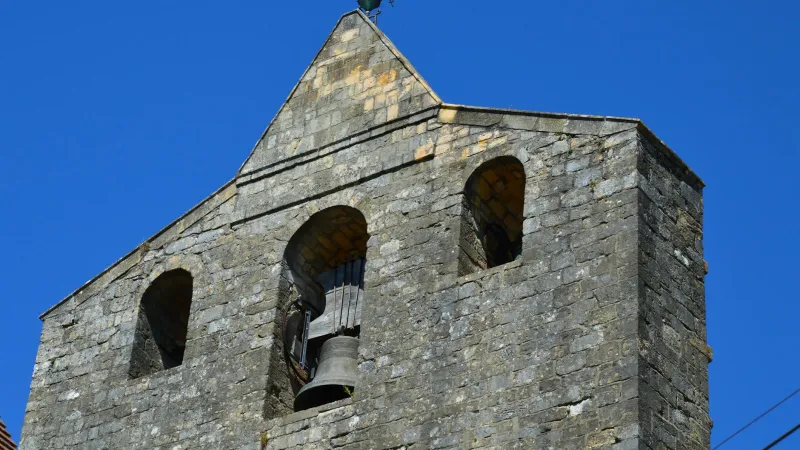
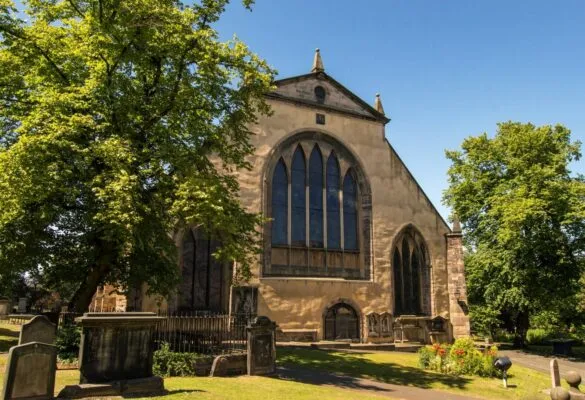 Photo: Greyfriars Kirk, via media.edinburgh.org
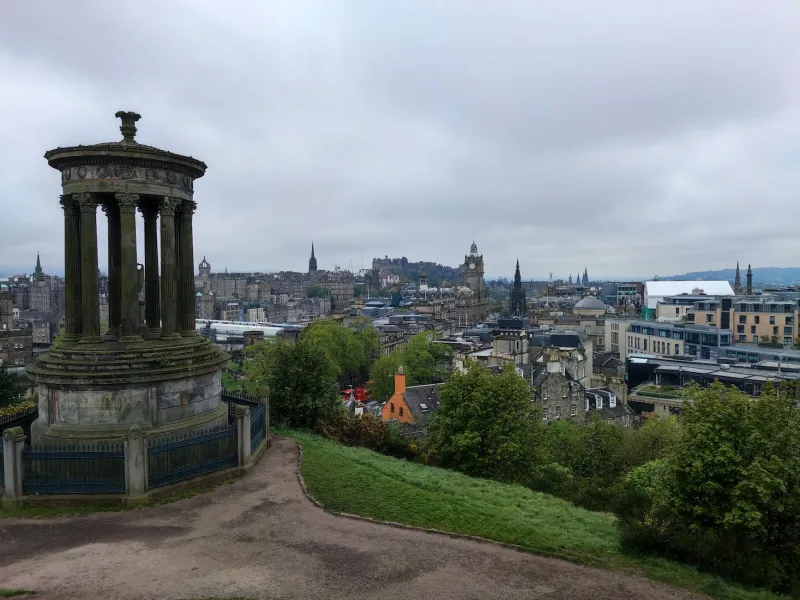
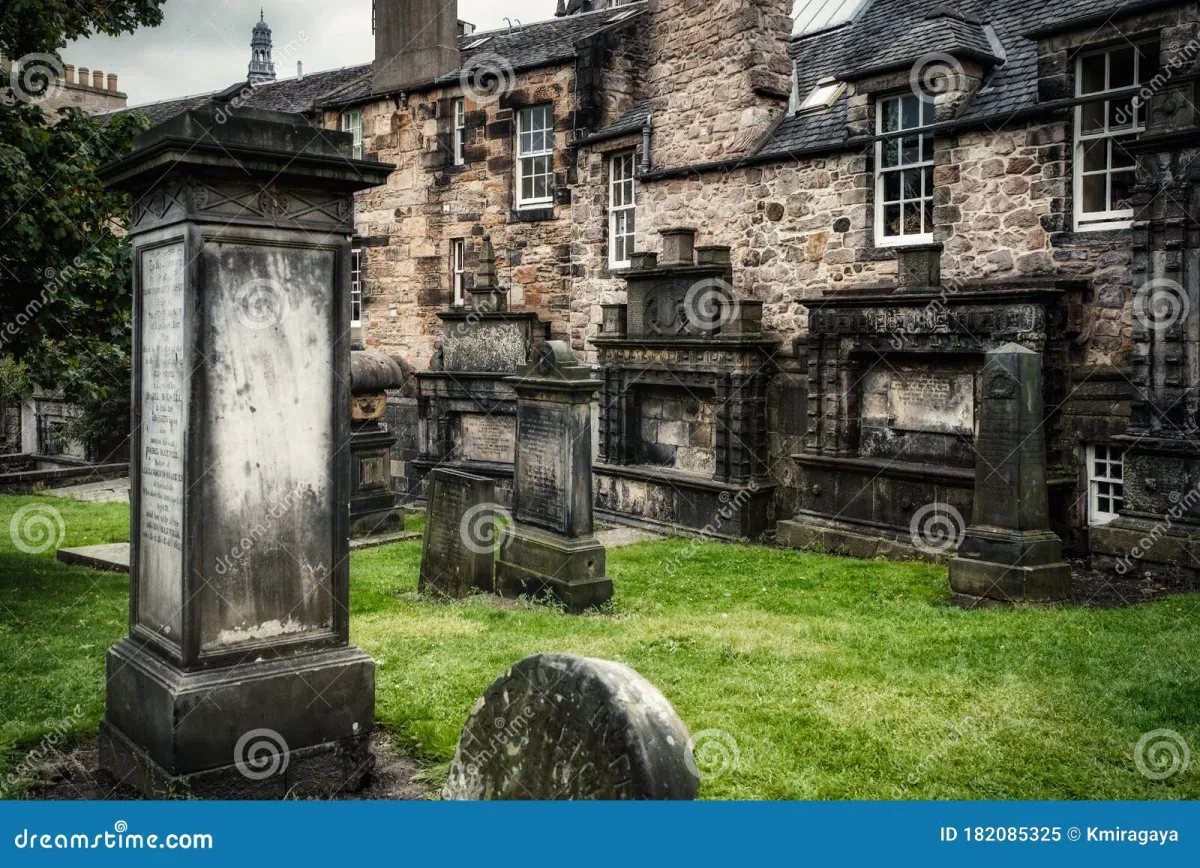 Photo: Greyfriars Kirkyard, via thumbs.dreamstime.com
The National Covenant: A Document That Changed Everything
On 28th February 1638, within the grey stone walls of Greyfriars Kirk, Scotland's nobles, ministers, and common citizens gathered to sign the National Covenant. This wasn't merely a religious document—it was a declaration of defiance against King Charles I's attempts to impose Anglican practices upon Presbyterian Scotland. The Covenant bound its signatories to defend Scotland's religious freedom "to the uttermost of our power," words that would prove prophetic in their cost.
The document itself, spread across a table in the kirkyard when space inside proved insufficient, attracted thousands of signatures. Legend speaks of men signing in their own blood when ink ran short, though historians debate this romantic notion. What remains undisputed is the Covenant's revolutionary impact—it transformed religious dissent into organised resistance.
The Killing Time: When Faith Became Treason
By the 1680s, the Restoration government under Charles II and later James VII had declared war upon Scotland's Covenanters. What followed became known as the Killing Time—a period of brutal suppression that saw hundreds executed for their refusal to accept royal supremacy over the Kirk.
Greyfriars Kirkyard became an open-air prison during the summer of 1679, following the Covenanter defeat at Bothwell Bridge. Over 1,200 prisoners were herded into the southern section of the graveyard, enclosed by high walls that still stand today. The Covenanters' Prison, as this section became known, held men in conditions that would shame a medieval dungeon.
For five months, these prisoners endured exposure to Edinburgh's harsh weather with minimal shelter. Many died of cold, disease, and malnutrition. Those who survived faced transportation to the American colonies as indentured servants—a fate that many considered worse than death.
Voices from the Stones: Reading the Martyrs' Memorial
The Martyrs' Monument, erected in 1771, stands as Scotland's most politically charged memorial. Its inscription speaks of "about eighteen thousand" who suffered for their Presbyterian faith, though modern historians suggest this figure encompasses broader persecution beyond the kirkyard itself.
 Photo: Martyrs' Monument, via www.shutterstock.com
Walking amongst the graves today, one discovers individual stones marking specific martyrs. The memorial to the five men executed at Grassmarket in 1681 reminds visitors that Greyfriars' story extends beyond its walls into Edinburgh's streets. These weren't abstract historical figures—they were fathers, sons, and brothers whose names echo through Scottish Presbyterian tradition.
John Brown of Priesthill, shot at his own door in 1685, lies memorialised here though his body rests in Ayrshire. His wife's words to his killer—"You have murdered my husband"—became a rallying cry for the persecuted faithful.
The Geography of Suffering
Modern visitors can trace the physical landscape of persecution within the kirkyard. The Covenanters' Prison occupies the southwest corner, its high walls originally built to contain the Bothwell Bridge prisoners. The iron gate, installed later, bears witness to continued reverence for these martyrs amongst Edinburgh's Presbyterian community.
The positioning of monuments tells its own story. The Martyrs' Monument stands prominently, visible from multiple angles, whilst individual graves cluster nearby as if seeking protection in collective memory. This isn't accidental—the kirkyard's layout reflects deliberate choices about how Scotland's religious struggle should be remembered.
Beyond Bobby: Reclaiming Historical Narrative
Whilst Greyfriars Bobby's tale of canine devotion captures hearts worldwide, it inadvertently obscures the kirkyard's profound historical significance. The loyal terrier's story, though touching, represents Victorian sentiment rather than Scottish sacrifice. The Covenanters' struggle speaks to fundamental questions of religious freedom, political resistance, and national identity that resonate far beyond one dog's faithfulness.
This isn't to diminish Bobby's appeal, but rather to contextualise it within a richer historical tapestry. The kirkyard holds both stories—the sentimental and the revolutionary—yet only one receives widespread recognition.
Living Memory: The Covenant's Enduring Legacy
The National Covenant's principles echo through Scottish history far beyond the Killing Time. Its assertion of religious independence influenced the 1707 Act of Union's guarantees for Scottish Presbyterianism. The document's democratic spirit—ordinary citizens signing alongside nobles—prefigured later movements for political reform.
Today's Church of Scotland, whilst evolved from its 17th-century predecessor, maintains the Presbyterian principles that Covenanters died defending. Every General Assembly recalls the democratic ideals first articulated in Greyfriars Kirk nearly four centuries ago.
Walking with Ghosts: A Visitor's Guide to Remembrance
Modern pilgrims seeking the Covenanters' story should begin at the National Covenant memorial plaque near the kirk's entrance. From there, a path leads to the Martyrs' Monument, where the inscription's archaic language rewards careful reading. The Covenanters' Prison, accessible through guided tours, provides visceral connection to historical suffering.
But perhaps the most moving experience comes simply from sitting quietly amongst the graves, imagining the voices that once filled this space—men singing psalms whilst facing death, their faith unshaken by earthly persecution.
Greyfriars Kirkyard holds Scotland's soul not in supernatural tales, but in the very real courage of ordinary people who chose principle over survival. Their voices, though vanished, still whisper through the Edinburgh wind for those willing to listen.