The Physic Garden That Became a Scientific Cathedral
Long before the Royal Botanic Garden Edinburgh became one of the world's great scientific institutions, it began life as a modest patch of medicinal herbs beside Holyrood Abbey. Established in 1670 by Dr Robert Sibbald and Dr Andrew Balfour, this original physic garden occupied barely an acre near the present-day Holyrood Palace.
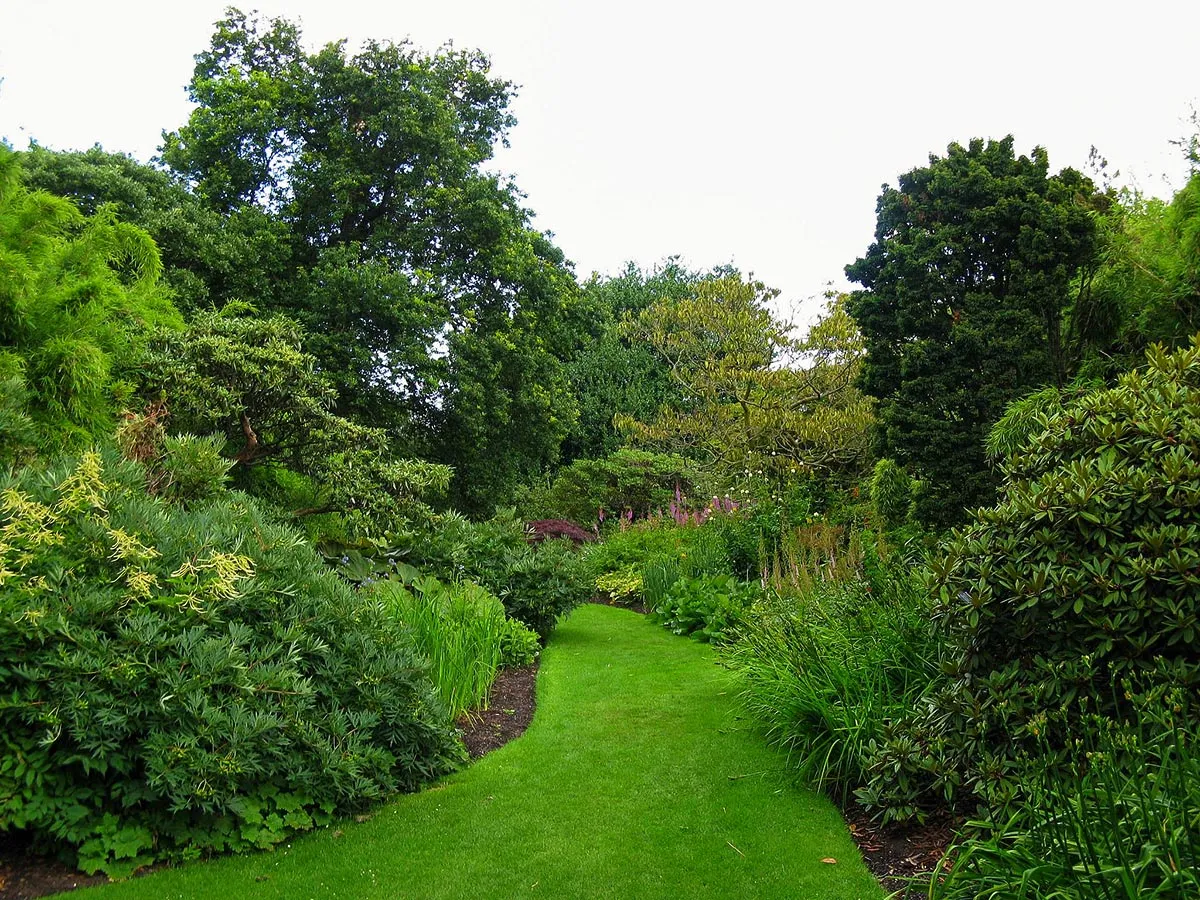 Photo: Royal Botanic Garden Edinburgh, via www.ablogvoyage.com
The garden's migration across Edinburgh tells a fascinating story of urban development and scientific ambition. From its monastic origins, it moved to Trinity Hospital, then to a site near the present-day Waverley Station, before settling at its current Inverleith location in 1820. Each move reflected Edinburgh's growing confidence as a centre of medical and botanical learning.
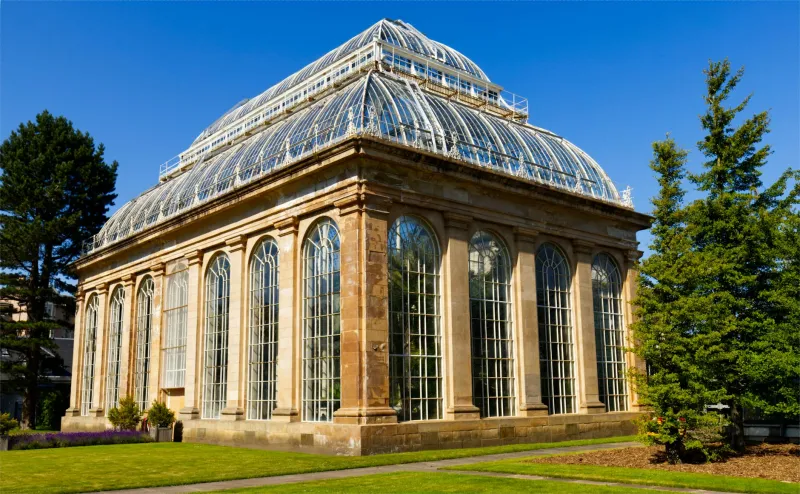
Today's 70-acre wonderland began with a simple premise: that understanding plants could save lives. The original herbarium, carefully maintained by generations of Edinburgh physicians, evolved into collections that now encompass species from every continent. Walking through the Chinese Garden or the Victorian Palm Houses, visitors follow pathways first traced by students of medicine seeking to understand nature's pharmacy.
The garden's most remarkable feature may be its living connection to Edinburgh's medical heritage. Specimens of foxglove, willow, and dozens of other plants that yielded crucial medicines still grow here, their descendants having witnessed the transformation of folk remedies into modern pharmaceuticals. The Demonstration Garden continues this tradition, showing visitors how plants that grew in medieval monastery gardens remain central to contemporary medicine.
The Aristocratic Ambitions of New Town Squares
Edinburgh's Georgian New Town conceals one of Europe's most sophisticated experiments in urban green space design. The private gardens at the centre of Charlotte Square, St Andrew Square, and their smaller siblings represent more than mere amenity—they embody 18th-century theories about the relationship between environment, health, and social order.
Charlotte Square Garden, designed by Robert Reid as the centrepiece of Edinburgh's western expansion, demonstrates how Scottish architects adapted English landscape principles to local conditions. The garden's formal layout, with its geometric paths and carefully positioned specimen trees, was intended to provide residents with the health benefits of country air whilst maintaining urban sophistication.
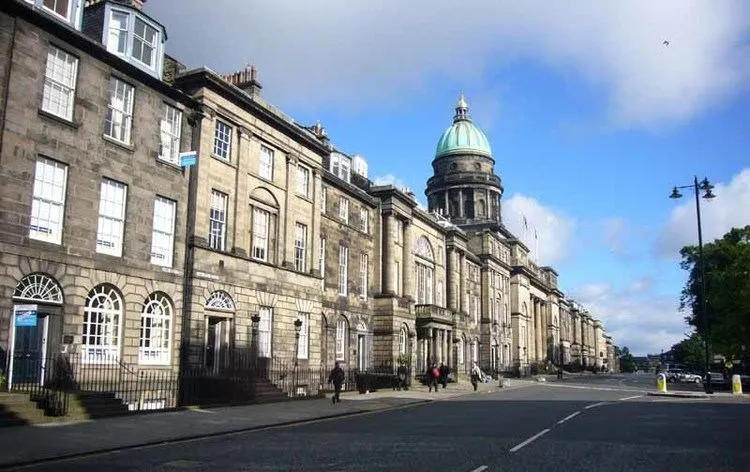 Photo: Charlotte Square Garden, via alchetron.com
Access to these gardens remained strictly controlled through an intricate system of keys and regulations that reflected New Town society's hierarchical nature. Residents paid annual subscriptions not merely for garden maintenance, but for membership in an exclusive community that used these green spaces for everything from children's play to romantic assignations.
St Andrew Square Garden tells a more complex story of commercial and domestic ambitions. Originally designed to complement the square's residential grandeur, it adapted as the area transformed into Edinburgh's financial district. The garden's survival through two centuries of commercial pressure demonstrates the enduring value that Edinburgh places on urban green space.
The smaller gardens scattered throughout the New Town—Moray Place, Royal Circus, and Ann Street among them—reveal how Georgian Edinburgh's planners understood that successful urban living required access to nature. These intimate green spaces, often no larger than tennis courts, provided essential breathing room in what was then Europe's most densely planned urban development.
Monastic Memories in Modern Landscapes
The influence of Edinburgh's medieval religious communities on the city's green character extends far beyond the obvious sites around Holyrood Abbey. Traces of monastic horticulture remain visible throughout the Old Town, often in locations that casual observers would never suspect of ecclesiastical origins.
The Grassmarket, now famous for its pubs and shops, takes its name from the grass market that supplied Edinburgh's religious houses with hay and fodder. The raised garden area behind the Beehive Inn occupies ground that once formed part of the extensive policies attached to Greyfriars Monastery.
Greyfriars Kirkyard itself represents one of Edinburgh's most complex green spaces, where centuries of burial practice created an accidental arboretum. The ancient yew trees that shade the kirkyard's older sections descend from specimens planted by the Franciscan friars who first established the site. These trees witnessed the signing of the National Covenant in 1638 and continue to provide sanctuary for wildlife in the heart of the Old Town.
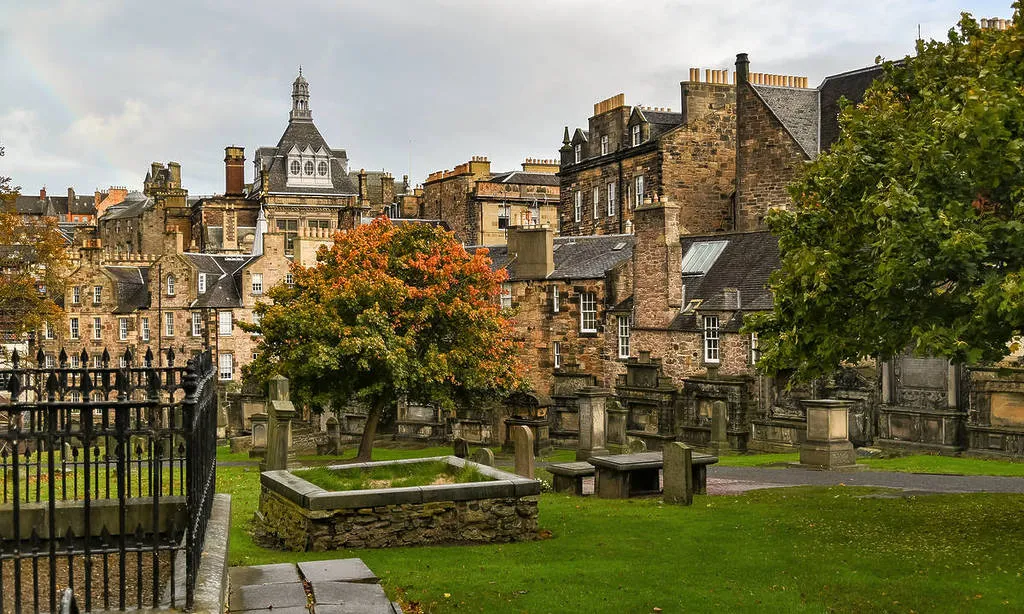 Photo: Greyfriars Kirkyard, via offloadmedia.feverup.com
More subtle traces of monastic gardening survive in the layout of closes and wynds throughout the Royal Mile. The sharp turns and unexpected openings that characterise these medieval streets often follow boundaries established by monastery gardens and orchards. Modern visitors walking down Advocates Close or Warriston Close follow routes that once separated sacred gardens from secular streets.
The Forgotten Policies of Edinburgh's Great Houses
Edinburgh's expansion consumed numerous country estates, but fragments of their designed landscapes survive in unexpected locations throughout the modern city. These remnants of aristocratic ambition provide glimpses of how Scotland's landed families attempted to impose their vision of civilised landscape on Edinburgh's dramatic topography.
The Meadows, Edinburgh's most democratic green space, began life as the Burgh Loch before being drained and landscaped in the 1740s. The surviving tree-lined avenues reflect the 18th-century fashion for formal landscape design, whilst the more naturalistic areas added during Victorian times demonstrate changing attitudes towards urban nature.
Bruntsfield Links preserves not only Edinburgh's oldest golf course but also remnants of the medieval burgh's common lands. The ancient right of Edinburgh citizens to graze cattle and play games on these links survived urbanisation, creating a green space that remains genuinely public rather than merely municipal.
The Hermitage of Braid, tucked into a valley between Morningside and Liberton, represents Edinburgh's most complete surviving example of a Romantic landscape garden. Created by the Baird family in the late 18th century, it demonstrates how Edinburgh's merchant classes adopted aristocratic landscape fashions whilst adapting them to Scottish conditions and sensibilities.
Hidden Gardens of the Living City
Beyond the famous sites and tourist destinations, Edinburgh harbours dozens of smaller gardens that serve the daily needs of residents whilst preserving fragments of the city's green heritage. These spaces remind visitors that Edinburgh's relationship with nature remains active rather than merely historical.
The Physic Garden at the Royal College of Physicians, tucked behind Queen Street, continues the tradition of medical botany that began at Holyrood Abbey. This working garden, used for teaching and research, demonstrates how Edinburgh's scientific institutions maintain their connection to the plant world that originally defined their purpose.
Community gardens throughout Edinburgh's housing schemes carry forward the tradition of productive horticulture that once characterised the city's suburbs. These modern efforts to grow food within the urban environment echo the market gardens that once supplied Edinburgh's tables and the monastery gardens that provided both sustenance and medicine.
The restoration of the Water of Leith walkway has revealed how Edinburgh's industrial development incorporated rather than obliterated natural systems. Following the river from the Pentland Hills to Leith harbour, visitors encounter a green corridor that connects the city to its rural hinterland whilst providing habitat for wildlife and recreation for residents.
Understanding Edinburgh through its gardens reveals a city that has consistently sought to balance urban ambition with natural beauty. From medieval monastery gardens to contemporary community plots, these green spaces chronicle not just horticultural history but the evolving relationship between Edinburgh's citizens and their remarkable landscape. They remind us that the stones of the Old Town and the elegance of the New Town represent only part of Edinburgh's heritage—the rest grows quietly in gardens that continue to nurture both plants and people.