Beyond the Tourist Trail: Edinburgh's Residential Quarters Where Authentic Scotland Thrives
Edinburgh's international reputation rests firmly upon its castle, Royal Mile, and festival attractions, yet these iconic destinations represent merely the public face of Scotland's capital. The city's authentic soul resides in its residential neighbourhoods, where generations of Edinburghers have built communities that reflect the true spirit of Scottish urban life. For discerning visitors seeking genuine cultural immersion, these quarters offer experiences that no tourist attraction can replicate.
Stockbridge: Victorian Elegance Meets Bohemian Spirit
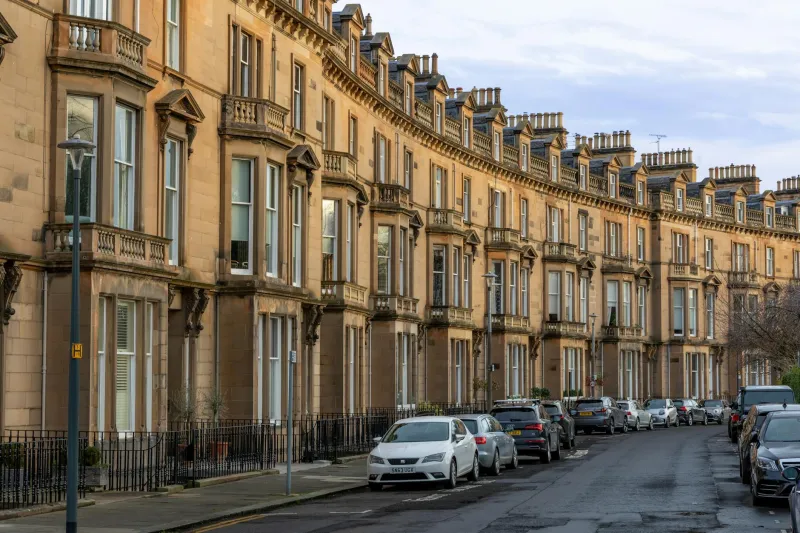
Stockbridge embodies Edinburgh's capacity for reinvention whilst preserving its historical character. This former village, absorbed into the expanding city during the 19th century, maintains a distinct identity that sets it apart from central Edinburgh's formal grandeur. The neighbourhood's tree-lined streets and Georgian terraces create an atmosphere of refined domesticity that has attracted artists, writers, and professionals for generations.
The weekly Stockbridge Market transforms Saunders Street into a vibrant showcase of local produce, artisan crafts, and community spirit. Here, conversations flow between stallholders and customers who have maintained these relationships for years, creating an authentic Scottish market experience that contrasts sharply with the commercial bustle of Princes Street.
Independent shops along Raeburn Place demonstrate Scottish entrepreneurship at its finest. From specialist bookshops housing rare Scottish literature to delicatessens offering locally sourced delicacies, these establishments reflect the neighbourhood's commitment to supporting local businesses whilst serving residents' sophisticated tastes.
The area's numerous gastropubs and cafés provide gathering spaces where locals engage in the kind of unhurried conversation that characterises Scottish social life. These venues operate as genuine community hubs rather than tourist destinations, offering visitors authentic insights into contemporary Scottish culture.
Leith: Maritime Heritage Transformed
Leith's transformation from working port to trendy quarter represents one of Edinburgh's most remarkable regeneration stories. This historic harbour district maintains strong connections to its maritime past whilst embracing contemporary Scottish creativity in ways that feel organic rather than manufactured.
The neighbourhood's converted warehouses now house art galleries, design studios, and restaurants that celebrate both Leith's industrial heritage and Scotland's culinary renaissance. The Michelin-starred establishments that have emerged here demonstrate Scottish cooking at its most innovative, utilising local ingredients in ways that honour tradition whilst embracing modern techniques.
Leith's Saturday farmers' market epitomises the neighbourhood's commitment to local production and community engagement. Producers from across the Lothians gather to sell everything from artisan cheeses to organic vegetables, creating connections between urban consumers and rural suppliers that strengthen Scotland's food culture.
The area's pubs maintain strong links to Leith's working-class heritage whilst welcoming newcomers who appreciate authentic Scottish hospitality. These establishments serve as bridges between old and new Leith, where dock workers' descendants share tables with creative professionals drawn by the area's artistic energy.
Conversation in Leith flows with the directness characteristic of Scottish port communities, where pretension receives short shrift and genuine character earns respect. Visitors who appreciate straight-talking and authentic experiences will find Leith's social atmosphere refreshingly honest.
Marchmont: Academic Quarter with Neighbourhood Charm
Marchmont's proximity to the University of Edinburgh has shaped its character as an intellectual quarter where academic pursuits blend seamlessly with family life. The neighbourhood's Victorian tenements house a diverse community that includes long-term residents, international students, and young professionals who value Marchmont's combination of urban convenience and residential tranquillity.
The area's independent shops reflect its residents' sophisticated tastes and international outlook. Specialist stores offering everything from rare books to exotic spices demonstrate the neighbourhood's capacity to support businesses that serve specific communities whilst contributing to the area's overall character.
Marchmont's cafés operate as informal study halls and meeting places where university life intersects with neighbourhood routines. These establishments facilitate the kind of intellectual exchange that has characterised Edinburgh since the Enlightenment, proving that the city's reputation as a centre of learning extends far beyond formal academic institutions.
The Meadows, Marchmont's neighbouring parkland, serves as the quarter's communal garden where residents engage in activities from cricket to kite-flying that reflect both Scottish traditions and international influences. This green space demonstrates how Edinburgh's neighbourhoods maintain connections to nature despite their urban setting.
Portobello: Seaside Scotland Within the City
Portobello's beach location creates a unique atmosphere within Edinburgh, offering residents and visitors alike the experience of seaside Scotland without leaving the capital. This former independent burgh maintains a distinct identity rooted in its history as Edinburgh's premier seaside resort.
The neighbourhood's independent shops and cafés reflect its relaxed coastal character whilst serving a community that values both tradition and innovation. Local businesses range from vintage clothing stores to artisan coffee roasters, creating a retail environment that feels authentic rather than contrived.
Portobello's promenade provides a setting for the kind of leisurely strolling that characterises Scottish seaside culture. Here, families engage in traditions from sandcastle building to ice cream consumption that connect contemporary Edinburgh to broader patterns of Scottish recreational life.
The area's swimming clubs and sports groups demonstrate community engagement at its most active, with residents participating in activities that strengthen neighbourhood bonds whilst promoting physical wellbeing. These organisations embody the Scottish tradition of voluntary association that has long characterised the nation's social life.
Living Scotland: Community Over Commerce
Edinburgh's residential neighbourhoods succeed because they prioritise community development over commercial exploitation. These areas have evolved organically to serve their residents' needs whilst maintaining openness to visitors who approach them with appropriate respect and curiosity.
The shops, cafés, and pubs that thrive in these quarters do so because they serve genuine community functions rather than merely extracting tourist revenue. This authenticity creates experiences that feel natural rather than staged, offering visitors insights into contemporary Scottish life that no heritage attraction can provide.
For UK visitors accustomed to the homogenisation that affects many city centres, Edinburgh's neighbourhoods demonstrate how urban communities can maintain distinct characters whilst remaining economically viable. These areas prove that authentic local culture and commercial success need not conflict when development proceeds thoughtfully and residents remain engaged in shaping their communities' futures.
The conversations, traditions, and daily rhythms that characterise these neighbourhoods represent Edinburgh's living heritage—not preserved in museums but actively maintained through continued use and community investment.