From Spit-Roasted Swans to Penny Pies: Edinburgh's Lost Culinary Chronicles
Walk through Edinburgh's Old Town today, and you'll encounter a renaissance of Scottish cuisine that would astonish the medieval merchants who once hawked their wares in these same cobbled streets. Yet beneath the contemporary culinary revival lies a rich tapestry of forgotten flavours that once defined not merely a city's appetite, but an entire nation's relationship with food.
The Royal Table: Feasting in the Shadow of Arthur's Seat
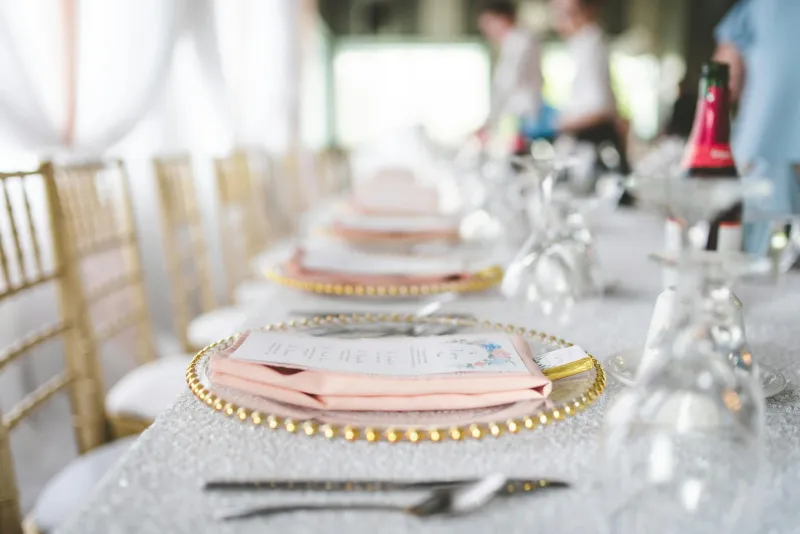
At the apex of Edinburgh's medieval food hierarchy stood the royal court at Holyrood Palace, where elaborate banquets served as diplomatic theatre. Chronicles from the 15th and 16th centuries reveal menus that would challenge even today's most ambitious chefs: whole roasted swans presented with their feathers restored, subtleties (elaborate sugar sculptures), and imported delicacies that arrived via Edinburgh's bustling port.
These royal feasts weren't merely about sustenance—they were carefully orchestrated displays of Scotland's political ambitions. When Mary Queen of Scots entertained foreign dignitaries, the abundance of her table spoke directly to Scotland's sovereignty. Venison from the royal forests, salmon from the Forth, and exotic spices from continental trade routes created a culinary language of power that resonated far beyond the palace walls.
The influence of French cuisine, brought by the Auld Alliance, transformed Edinburgh's upper-class palate centuries before celebrity chefs made Franco-Scottish fusion fashionable. Techniques for preparing sauces, the art of pastry-making, and the presentation of multiple courses filtered down from Holyrood through the closes and wynds, creating a distinctly Edinburgh approach to fine dining.
The Flesh Market: Where Commerce Met Appetite
Descending from the rarefied air of royal banquets, Edinburgh's Grassmarket and the aptly named Fleshmarket Close tell a grittier story of how ordinary citizens fed themselves. Here, in the shadow of Edinburgh Castle, drovers brought cattle from the Highlands whilst fishwives carried their creels up from Newhaven, their cries echoing through the narrow streets.
The flesh markets weren't merely commercial spaces—they were social melting pots where Highland drovers mingled with Lowland merchants, where Gaelic and Scots created a linguistic stew as rich as any broth. The quality of meat available here varied dramatically by season and fortune. In good times, citizens might enjoy mutton from Border farms or beef from Angus. During lean periods, they made do with salt herring and whatever vegetables survived Edinburgh's harsh winters.
Archival records reveal the strict regulation of these markets, with weights and measures overseen by the town council. The position of flesh market inspector was no mere sinecure—it carried real authority in determining what Edinburgh's citizens could afford to eat. These regulations, whilst maintaining standards, also reinforced social hierarchies through food access that would persist well into the modern era.
Tavern Culture: The Democratic Table
Perhaps nowhere was Edinburgh's complex social fabric more evident than in its taverns, where the city's famous intellectual ferment was literally fuelled by food and drink. The taverns of the Canongate and High Street served as informal universities where lawyers, philosophers, merchants, and craftsmen gathered around communal tables.
The fare in these establishments reflected both practicality and aspiration. Scotch broth, thick with barley and whatever vegetables were seasonally available, provided warming sustenance during Edinburgh's long winters. Oatcakes, the staff of life for much of Scotland, appeared on every table regardless of the establishment's pretensions. Yet ambitious tavern keepers also attempted more sophisticated dishes, often with mixed results that became the stuff of local legend.
David Hume and Adam Smith weren't merely consuming ideas during their famous tavern discussions—they were participating in a culinary culture that democratised dining in ways unprecedented elsewhere in Britain. The tradition of the "ordinary"—a fixed-price meal served at communal tables—created spaces where social barriers temporarily dissolved over shared food.
The Georgian Transformation: New Town, New Tastes
The construction of Edinburgh's New Town in the 18th century brought more than architectural revolution—it fundamentally altered the city's relationship with food. The grand dining rooms of Charlotte Square and George Street became stages for a new kind of Scottish entertaining, one that looked simultaneously to London society and continental sophistication.
This period saw the emergence of what we might recognise as modern Scottish cuisine. Cookbooks from the era reveal how traditional ingredients were being refined and presented with new elegance. Haggis, once purely peasant fare, began appearing at middle-class tables as a symbol of Scottish identity rather than mere necessity.
The New Town's proximity to the Forth also transformed Edinburgh's fish consumption. Oysters from the Forth estuary became so popular that oyster cellars proliferated throughout the city, creating a dining culture that persisted well into the Victorian era. These establishments, often located in basement premises, created intimate spaces where business was conducted over shared platters of shellfish.
Lost Flavours and Modern Revival
Many ingredients that were commonplace in medieval Edinburgh have vanished entirely from the modern palate. Verjuice, made from unripe grapes or crab apples, provided the acidic element in cooking long before lemons became readily available. Ale, rather than water, was the standard cooking liquid for many dishes, creating flavours that modern palates would find startlingly complex.
The spice trade that flowed through Leith brought flavours that seem exotic even today. Grains of paradise, long pepper, and garum (a fermented fish sauce) appeared in wealthy Edinburgh kitchens centuries before fusion cuisine became fashionable. These ingredients, often more valuable than gold, created a culinary culture of remarkable sophistication.
Today's Scottish food renaissance consciously draws upon this rich heritage whilst adapting it for contemporary tastes. The revival of heritage grains, the renewed interest in traditional preservation techniques, and the celebration of seasonal, local ingredients all echo practices that sustained Edinburgh's citizens for centuries.
Conclusion: The Enduring Feast
Edinburgh's culinary history reveals a city that was never provincial in its appetites. From the grandest royal banquet to the humblest tavern meal, food in the ancient capital reflected Scotland's complex relationship with the wider world whilst maintaining distinctly local character. Understanding this heritage enriches every modern dining experience in the city, reminding us that Edinburgh's reputation for hospitality and good living has roots that extend far deeper than any tourist guide might suggest.
The next time you enjoy a meal in Edinburgh, remember that you're participating in a tradition that spans centuries—one that has always understood food as more than mere sustenance, but as a fundamental expression of identity, community, and aspiration.