Stockbridge: Village Life in the City Centre
Tucked beneath the Georgian grandeur of the New Town, Stockbridge maintains the unhurried pace of a Border village despite sitting barely ten minutes' walk from Princes Street. This former mill community, built around the Water of Leith, offers perhaps Edinburgh's most authentic neighbourhood experience.
The Local's Pub: The Baillie Bar on St Stephen Street serves proper Scottish ales in surroundings unchanged since the 1970s. Locals gather here for animated discussions about Hearts versus Hibs, making it the perfect place to witness Edinburgh's tribal football loyalties in action.
Independent Gem: Golden Hare Books, housed in a former bank building, represents everything admirable about Scotland's independent bookshop culture. Owner Madeleine's carefully curated selection focuses on Scottish authors and small press publications you won't find in chain stores.
Hidden Viewpoint: The colonnade of St Stephen's Church provides an elevated perch overlooking the neighbourhood's Victorian terraces. From here, the view encompasses everything from Arthur's Seat to the Pentland Hills—Edinburgh's geography laid bare without a tourist in sight.
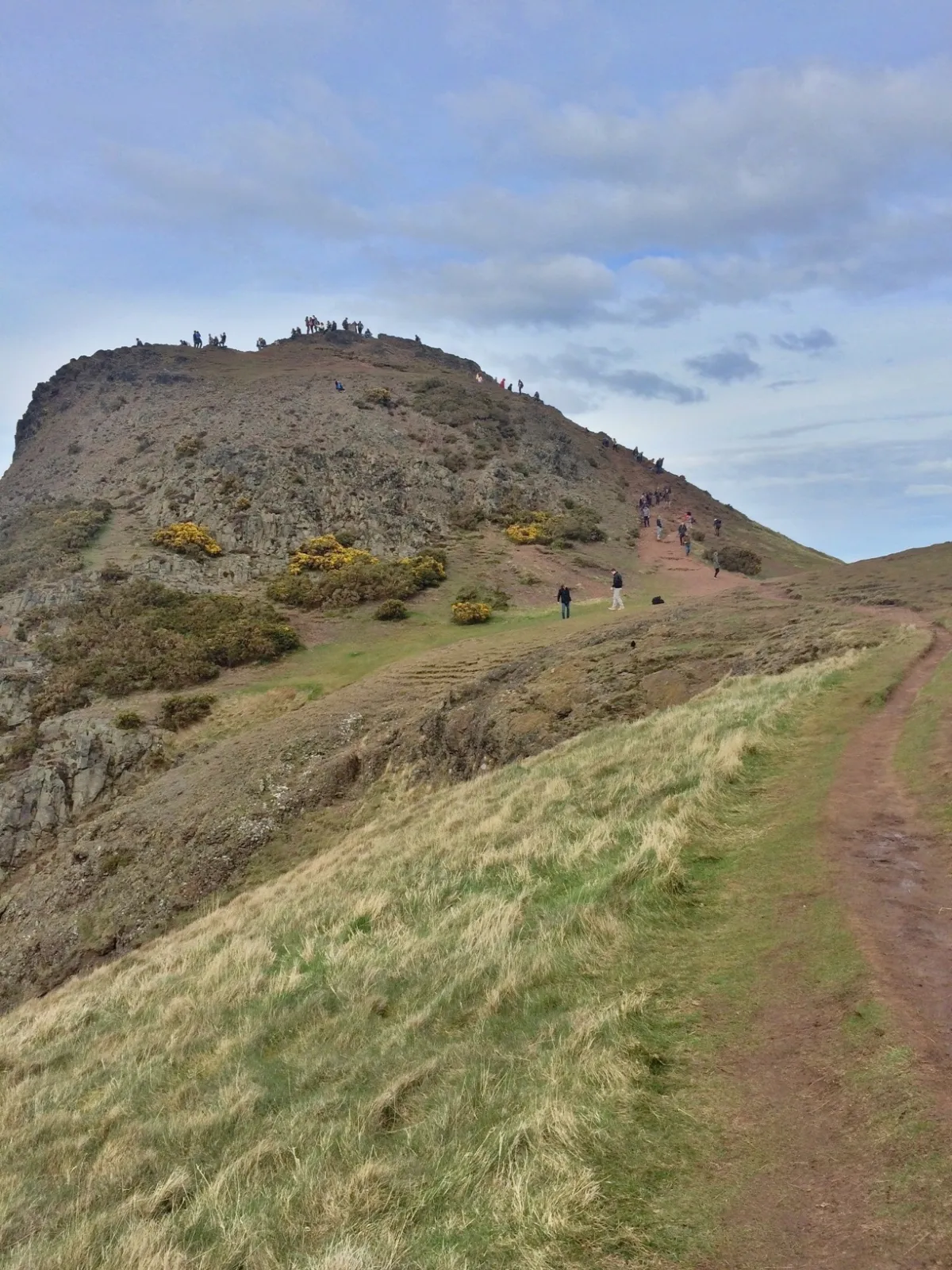 Photo: Arthur's Seat, via www.stuffedinburgh.com
Historical Anchor: The area's name derives from the ancient stock bridge that once carried drovers' cattle across the Water of Leith. Today's elegant stone bridge, dating from 1801, replaced the wooden original but maintains the community's connection to Scotland's agricultural heritage.
Bruntsfield: Bohemian Edinburgh Without the Pretension
While the nearby Meadows attract university crowds, Bruntsfield Links and its surrounding streets offer a more mature take on Edinburgh's creative spirit. This is where the city's writers, artists, and academics actually choose to live when they can afford to escape tenement life.
The Local's Pub: The Hanging Bat on Lothian Road specialises in craft beers from Scottish microbreweries, attracting a clientele of creative professionals who appreciate quality over quantity. The upstairs restaurant serves modern Scottish cuisine that locals book weeks in advance.
Independent Gem: Armchair Books on West Port has operated from the same cramped premises for over three decades. Owner Kenny's encyclopaedic knowledge of Scottish literature makes browsing here feel like a masterclass in the nation's literary heritage.
Hidden Viewpoint: The raised plateau of Bruntsfield Links provides unobstructed views across Edinburgh's southern suburbs to the Pentland Hills. Early morning dog-walkers share this space with golfers playing the city's most democratic course—no membership required.
Historical Anchor: These links represent Edinburgh's oldest golf course, where Mary Queen of Scots allegedly played shortly after her husband's murder. The ancient right of public access ensures that this green space remains genuinely communal rather than exclusive.
Fountainbridge: Industrial Heritage Meets Creative Renaissance
Once home to Edinburgh's brewing industry, Fountainbridge has transformed into the city's most dynamic creative quarter without losing its working-class character. The Union Canal provides a watery spine around which new developments respect the area's industrial heritage.
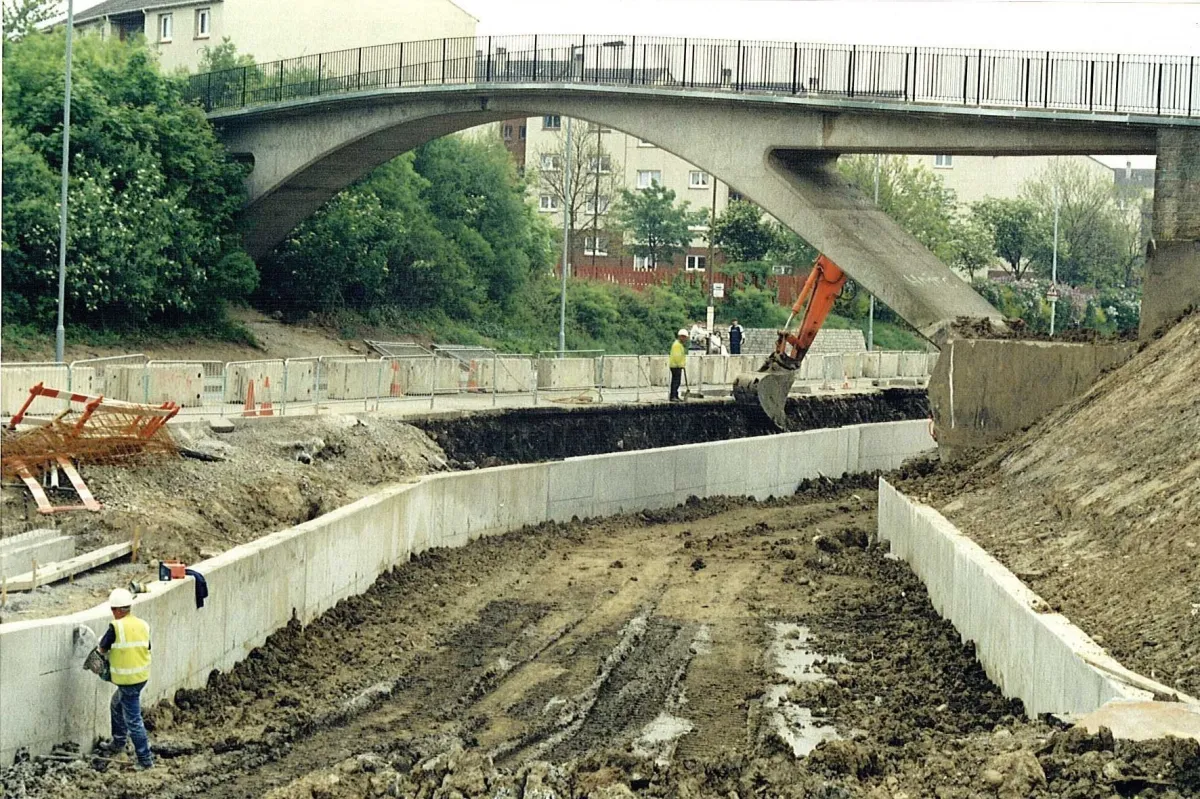 Photo: Union Canal, via www.edinburghcollected.org
The Local's Pub: The Fountain Brewery Bar occupies part of the former McEwan's brewery complex, serving craft beers brewed on-site alongside traditional Scottish fare. The industrial architecture creates an atmosphere that celebrates rather than conceals the area's manufacturing past.
Independent Gem: Out of the Blue Arts and Education Trust operates from a converted drill hall, providing affordable studio space for Edinburgh's emerging artists. Their regular exhibitions showcase work that reflects contemporary Scottish urban experience rather than tourist-friendly stereotypes.
Hidden Viewpoint: The Union Canal towpath offers a unique perspective on Edinburgh's industrial archaeology. Walking westward from Fountainbridge, the city's skyline gradually gives way to the Pentland Hills, revealing how quickly Scotland's capital yields to countryside.
Historical Anchor: The area's transformation from agricultural land to industrial powerhouse mirrors Edinburgh's 19th-century evolution. The surviving brewery buildings demonstrate how Scottish architects adapted Continental industrial designs to local conditions and materials.
Leith Walk: Edinburgh's Most Authentic High Street
Connecting the city centre to its historic port, Leith Walk functions as Edinburgh's most genuinely diverse thoroughfare. Here, traditional Scottish pubs share space with Kurdish barbers, Polish delicatessens, and Sikh temples—reflecting the capital's contemporary multicultural reality.
The Local's Pub: The Elm Bar near the foot of the Walk maintains the atmosphere of a traditional Scottish public house whilst welcoming Leith's international community. The clientele ranges from retired dockers to young professionals, creating conversations impossible in more homogeneous establishments.
Independent Gem: Flux Magazine Shop stocks publications from across Europe and beyond, reflecting Leith's historic connections to Continental trade routes. Their selection of Scottish political magazines provides insight into debates rarely covered by mainstream media.
Hidden Viewpoint: The pedestrian bridge over the railway cutting near Pilrig offers unexpected views across Leith to the Firth of Forth. Industrial Edinburgh spreads below, reminding visitors that Scotland's capital remains a working city rather than merely a heritage destination.
Historical Anchor: This ancient road connected Edinburgh to its vital port, carrying everything from French wine to Norwegian timber. The surviving 18th-century buildings demonstrate how international trade shaped the capital's architecture and culture.
Morningside: Where Edinburgh's Professional Classes Actually Live
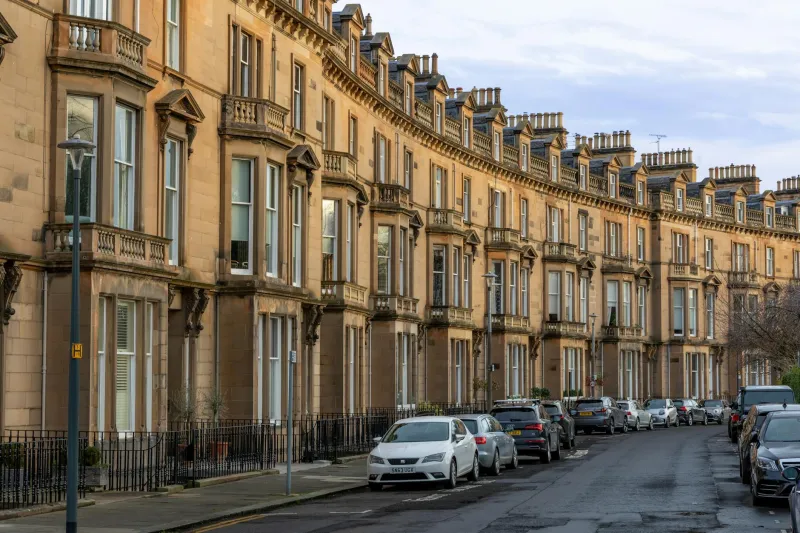
Often dismissed as merely genteel, Morningside reveals its true character to visitors who venture beyond Morningside Road's charity shops and cafés. The residential streets climbing towards the Braid Hills showcase Edinburgh's finest Victorian domestic architecture whilst maintaining a surprisingly down-to-earth community spirit.
The Local's Pub: The Canny Man's on Morningside Road has operated continuously since 1871, accumulating an extraordinary collection of memorabilia that reflects Edinburgh's social history. The proprietors' fierce independence and refusal to modernise create an authentic period atmosphere.
Independent Gem: Golden Hare Books' second location on Morningside Road focuses on children's literature and local history, serving the area's family-oriented community. Their Saturday morning story sessions attract three generations of the same Edinburgh families.
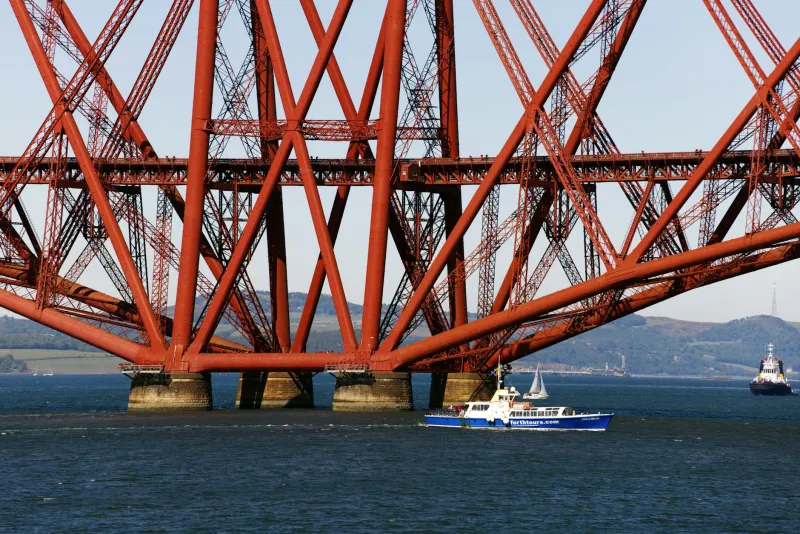
Hidden Viewpoint: The summit of Blackford Hill provides panoramic views across Edinburgh to the Forth bridges and Fife beyond. This is where locals bring visitors to appreciate the capital's dramatic setting without fighting tourist crowds.
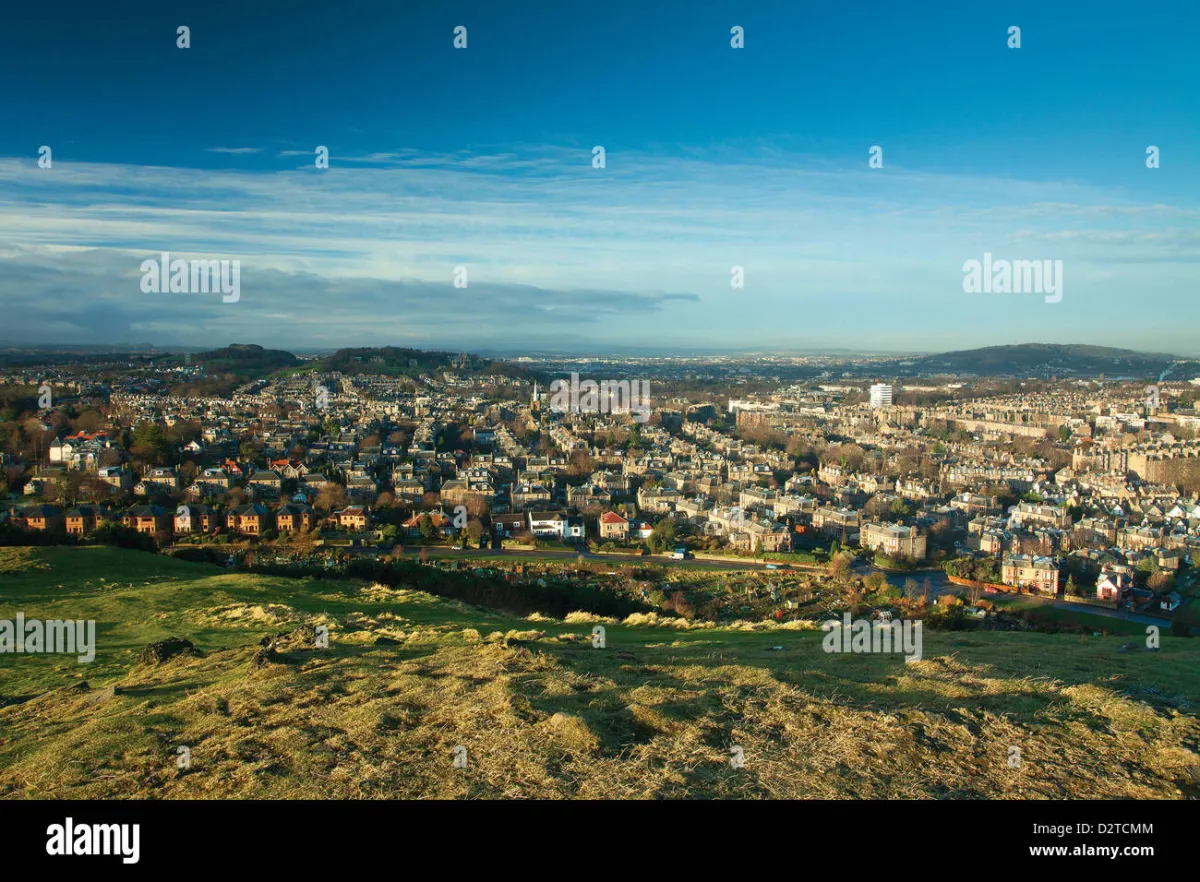 Photo: Blackford Hill, via c8.alamy.com
Historical Anchor: The area developed as Edinburgh's first true suburb, connected to the city centre by Scotland's earliest horse-drawn omnibus service. The Victorian villas reflect the confidence of Edinburgh's professional classes during the city's 19th-century golden age.
Each of these neighbourhoods offers something increasingly rare in modern Edinburgh: the opportunity to experience Scotland's capital as residents do rather than as tourists must. They remind visitors that beneath the heritage industry lies a living city where contemporary Scottish culture continues to evolve.