The Literary Shadows of Auld Reekie: How Edinburgh's Nocturnal Character Forged Scotland's Gothic Imagination
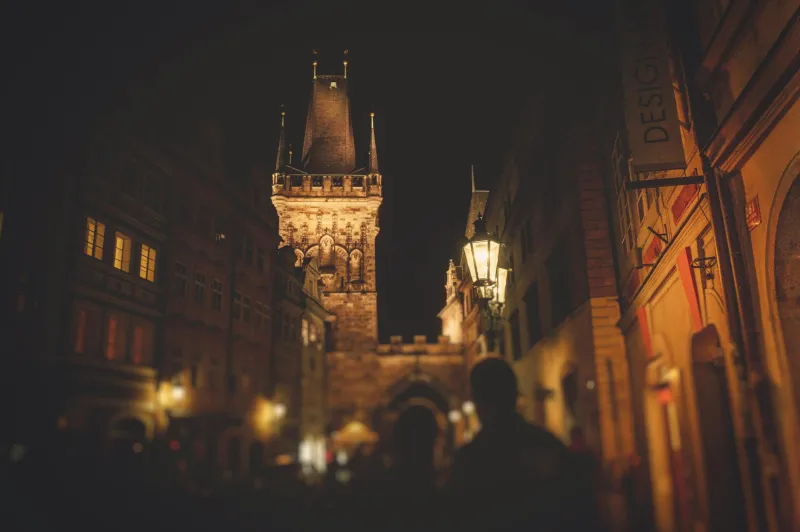
When dusk settles over Edinburgh's ancient closes and the gas lamps begin their nightly vigil, the city transforms into something altogether more profound than a tourist's playground of spooks and spectres. This is the Edinburgh that birthed some of literature's most enduring dark fantasies, where the very architecture conspires with shadow to create an atmosphere that has inspired writers for generations.
The capital's nocturnal identity extends far beyond the commercial ghost tours that now wind through its medieval streets. Instead, it represents a cultural phenomenon that has shaped not only Scottish literature but influenced the broader Gothic tradition throughout Britain and beyond.
The Architecture of Imagination
Edinburgh's unique topography creates natural theatre for the imagination. The towering tenements of the Royal Mile, rising six and seven storeys into the Scottish sky, cast deep shadows that seem to swallow entire closes during winter afternoons. These architectural canyons, with their narrow wynds disappearing into darkness, provided the perfect backdrop for writers seeking to explore the psychological complexities of urban life.
The city's vertical nature—built upwards rather than outwards due to geographical constraints—created a labyrinthine quality that writers found irresistible. Robert Louis Stevenson, perhaps Edinburgh's most famous literary son, understood this intimately. His childhood in the New Town, with its ordered Georgian squares, contrasted sharply with expeditions into the Old Town's medieval chaos, where respectability and vice existed in uncomfortable proximity.
This duality would later manifest in his masterwork, 'The Strange Case of Dr Jekyll and Mr Hyde', where the psychological split between civilised facade and primitive instinct mirrors Edinburgh's own divided character between its planned New Town and organic Old Town.
Stevenson's Shadowed Edinburgh
For Stevenson, Edinburgh after dark represented more than mere atmospheric backdrop—it became a character in its own right. His essay 'A Penny Plain and Twopence Coloured' captures the transformative power of the city's nocturnal hours, where familiar streets become stages for imagination and ordinary citizens transform into potential protagonists of untold stories.
The writer's relationship with Edinburgh's darkness was deeply personal. Plagued by ill health from childhood, he often found himself awake during the small hours, observing the city from his window in Heriot Row. These nocturnal vigils introduced him to Edinburgh's night workers: the lamplighters, watchmen, and early morning vendors who inhabited a parallel world invisible to respectable daytime society.
This hidden Edinburgh—the city that emerged when conventional society retired—fascinated Stevenson and provided rich material for his exploration of human nature's complexity. The famous Burke and Hare murders, which had occurred just decades before his birth, demonstrated how Edinburgh's respectable veneer could conceal the most shocking realities.
The Gothic Inheritance
Edinburgh's contribution to Gothic literature extends well beyond Stevenson's psychological realism. The city's medieval heart, with its genuine history of religious persecution, political intrigue, and social inequality, provided authentic foundations for Gothic imagination that many other cities could only manufacture artificially.
Greyfriars Kirkyard, with its elaborate monuments and documented history of religious martyrdom, offers visitors a tangible connection to Scotland's turbulent past. Unlike many tourist attractions that manufacture mystery, Edinburgh's graveyards contain genuine stories of persecution, execution, and social upheaval that require no embellishment.
The Covenanters' Prison within the kirkyard, where religious prisoners were held in appalling conditions during the 17th century, represents a dark chapter in Scottish history that continues to resonate with visitors. The atmospheric power of such locations stems not from fabricated ghost stories but from their authentic connection to human suffering and historical injustice.
Contemporary Gothic Revival
Modern Edinburgh continues to inspire writers drawn to its nocturnal character. Ian Rankin's Inspector Rebus novels demonstrate how the city's dark corners still harbour stories worth telling, whilst contemporary authors like Irvine Welsh have found in Edinburgh's underbelly rich material for exploring modern urban alienation.
The annual Edinburgh International Book Festival and the city's year-round literary scene maintain this tradition of dark imagination, with many contemporary Scottish writers continuing to mine the city's atmospheric potential. The success of authors like Val McDermid and Louise Welsh demonstrates that Edinburgh's capacity to inspire Gothic literature remains undiminished.
Experiencing Literary Edinburgh
For visitors seeking to understand Edinburgh's literary relationship with darkness, several approaches offer more depth than conventional ghost tours. The Writers' Museum on the Royal Mile provides context for understanding how the city shaped its most famous literary figures, whilst walking tours that focus on literary history rather than manufactured scares offer genuine insight into the creative process.
The Real Mary King's Close, a preserved 16th-century street now buried beneath the Royal Mile, offers visitors authentic experience of medieval Edinburgh's claustrophobic atmosphere without resort to theatrical effects. Similarly, evening visits to Edinburgh Castle or Arthur's Seat provide opportunities to experience the city's dramatic landscape under conditions similar to those that inspired its literary heritage.
The Enduring Appeal
Edinburgh's nocturnal character continues to captivate because it represents something increasingly rare in modern urban environments: authentic atmosphere created by genuine history rather than manufactured experience. The city's stones have witnessed centuries of human drama, and its narrow streets still echo with the footsteps of those who shaped Scottish culture.
This authenticity distinguishes Edinburgh's Gothic heritage from mere tourist entertainment. The city's dark reputation stems not from invented stories but from documented history, creating an atmosphere that continues to inspire serious literary work whilst providing visitors with genuine cultural insight into Scotland's complex past.
For those willing to look beyond the surface spectacle, Edinburgh after dark offers profound connections to the forces that have shaped not only Scottish identity but the broader tradition of Gothic literature that continues to influence writers throughout Britain and beyond.