The Salt-Stained Matriarchs of Scotland's Capital
Along Edinburgh's northern coastline, where the Firth of Forth meets the ancient fishing village of Newhaven, once lived a community of women whose strength, determination, and business acumen helped feed Scotland's capital for centuries. The fishwives of Newhaven represented far more than a quaint Victorian curiosity—they embodied a sophisticated commercial network that connected Edinburgh's landlocked heart to the bounties of the North Sea.
 Photo: Firth of Forth, via www.latitudekinsale.com
These remarkable women, immortalised in countless Victorian photographs with their distinctive blue and white striped petticoats and heavy wicker creels, walked upwards of twenty miles daily, carrying loads that would challenge a modern weightlifter. Their journey began before dawn at Newhaven's harbour, where they would select the finest catch from their husbands' and brothers' boats, carefully arranging haddock, herring, and whiting in their creels with the practiced eye of seasoned merchants.
The Architecture of Endurance
The creel itself deserves recognition as a masterpiece of practical design. Woven from willow and reinforced with leather straps, these baskets could carry up to four stones of fish whilst distributing the weight across the bearer's back and shoulders. The fishwives developed a distinctive swaying gait to accommodate their burden, a rhythm that became as recognisable on Edinburgh's streets as the cry of "Caller herrin'!" that announced their approach.
What distinguished Newhaven's fishwives from their counterparts elsewhere was their complete financial independence. Unlike many working women of the era, they controlled every aspect of their trade—from purchasing fish at the harbour to negotiating prices with Edinburgh's housekeepers. This economic autonomy bred a fierce pride and a reputation for shrewd bargaining that extended far beyond the fish trade.
Striped Symbols of Identity
The iconic costume of the Newhaven fishwife served multiple purposes beyond mere identification. The heavy woollen petticoats, often numbering six or seven layers, provided warmth during long walks in Edinburgh's notoriously changeable weather. The distinctive blue and white stripes, far from being arbitrary decoration, followed patterns passed down through generations, with subtle variations indicating family lineage and social status within the tight-knit community.
The elaborate headwear—starched white caps with intricate pleating—represented hours of careful preparation and served as a badge of respectability. Victorian observers noted how these women, despite their working-class origins, carried themselves with a dignity that commanded respect from customers across Edinburgh's social spectrum.
Routes Through Time
The fishwives' daily journey carved invisible highways across Edinburgh's landscape. Their primary route led from Newhaven through Trinity, up the steep incline to Canonmills, then along Princes Street to the Grassmarket and up the Royal Mile. Secondary routes branched into the New Town's geometric streets, where Georgian households provided a reliable market for fresh fish.
These routes became so established that property values along them reflected the commercial traffic they generated. Taverns and lodging houses catered specifically to the fishwives, offering places to rest between sales and store unsold stock. The women's intimate knowledge of Edinburgh's geography rivalled that of any professional guide, and their network of regular customers created bonds that often lasted decades.
The Economics of Survival
By the mid-nineteenth century, Newhaven's fishwives had developed sophisticated business practices that would impress modern entrepreneurs. They operated on credit systems, maintaining detailed mental ledgers of customer accounts. Seasonal variations in fish availability led to diversification into shellfish, vegetables, and even small manufactured goods during lean periods.
Their pricing strategies reflected deep understanding of market dynamics. Premium fish commanded higher prices in the New Town's affluent households, whilst the closes and wynds of the Old Town provided volume sales at lower margins. This market segmentation allowed the fishwives to maximise profits whilst ensuring their entire catch found buyers.
Traces in Stone and Memory
Today, visitors to Newhaven can still trace the foundations of this vanished world. The restored fisherman's cottage on Pier Place houses a small museum dedicated to the village's maritime heritage. Original photographs by David Octavius Hill and Robert Adamson capture the fishwives in their working prime, their faces bearing the weathered dignity of lives spent battling wind and wave.
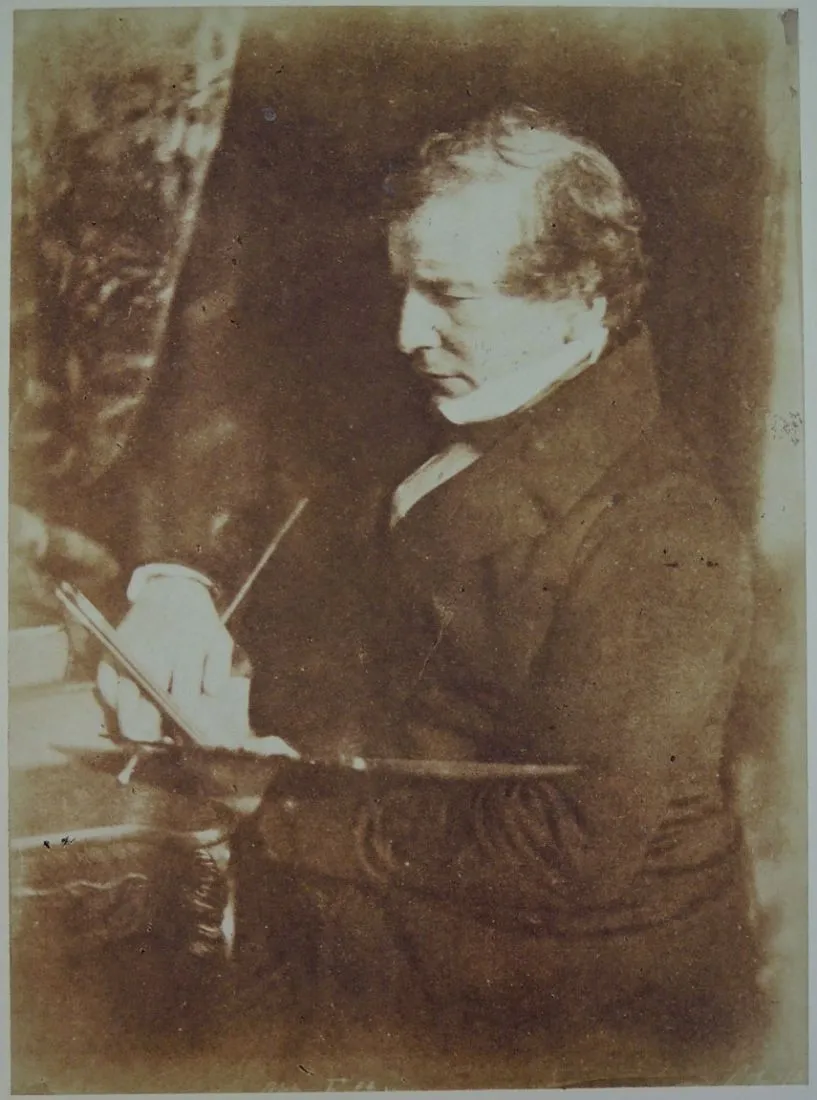 Photo: David Octavius Hill, via graphicarts.princeton.edu
The harbour itself, now largely given over to pleasure craft, retains its essential character. The stone quays where generations of women once sorted their catches still bear the wear patterns of countless creels. Local street names—Fishmarket Close, Harbour Lane, Trinity Crescent—preserve the geography of this vanished trade.
Legacy of the Salt Roads
The fishwives of Newhaven represented more than a colourful chapter in Edinburgh's commercial history. They embodied principles of female entrepreneurship, community solidarity, and economic independence that challenged Victorian assumptions about women's capabilities. Their success demonstrated how traditional industries could adapt to urban growth whilst maintaining cultural distinctiveness.
Modern Edinburgh's relationship with its coastal heritage owes much to these pioneering businesswomen. Their routes through the city created connections between maritime and urban Scotland that persist today, whilst their reputation for quality and reliability established standards that influenced generations of Scottish commerce.
The next time you walk from Newhaven towards Edinburgh's centre, consider the countless journeys made by these remarkable women, their creels heavy with the sea's bounty and their hearts full of the pride that comes from honest, independent labour. In their footsteps lies a story of Scotland's working heritage that deserves recognition alongside any castle or cathedral.