The Invisible Architecture of Status
Beneath Edinburgh's familiar geography of streets and squares lies another map entirely—one drawn not in stone but in social convention, where invisible parish boundaries once determined everything from marriage prospects to business opportunities. For over three centuries, which kirk you attended announced your place in Edinburgh's hierarchy with greater precision than any address, and congregations fought with surprising ferocity to maintain these distinctions.
The parish system that emerged in medieval Edinburgh created territories that functioned as exclusive social clubs, educational networks, and mutual aid societies simultaneously. Unlike England's more fluid religious landscape, Scotland's Presbyterian settlement embedded these divisions deep into the city's institutional structure, making church attendance both a spiritual obligation and a crucial social calculation.
The Geography of Salvation
Edinburgh's original parish divisions followed the city's medieval boundaries, but as the population expanded, new parishes carved out territories that reflected both practical considerations and social ambitions. St Giles' Cathedral dominated the High Street, serving the merchant elite and legal profession, whilst the Canongate Kirk ministered to the technically separate burgh of Canongate, creating a rivalry that persisted long after political unification.
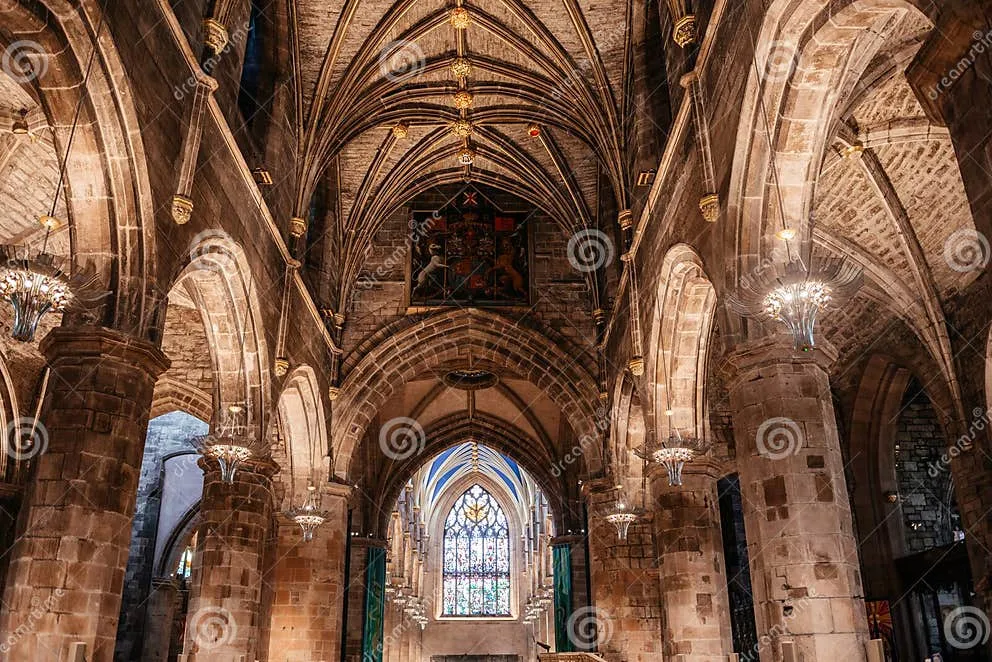 Photo: St Giles' Cathedral, via thumbs.dreamstime.com
The establishment of the Tron Kirk in 1647 introduced the first major challenge to St Giles' supremacy. Positioned strategically at the intersection of the High Street and South Bridge, the Tron attracted merchants who found St Giles' associations with civic authority uncomfortable during periods of political tension. This geographic positioning sparked decades of competition for prominent families, with some switching allegiances based on prevailing political winds.
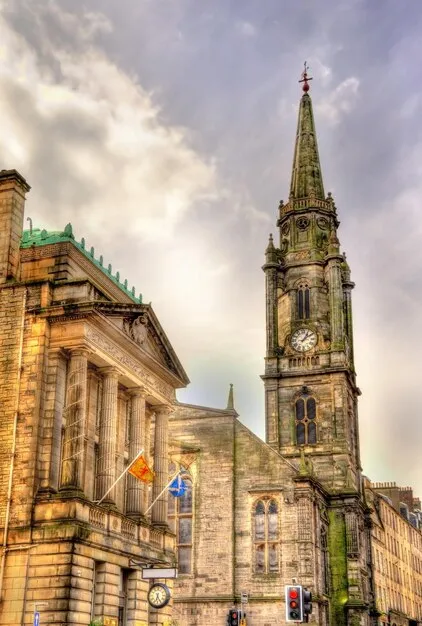 Photo: Tron Kirk, via img.freepik.com
Greyfriars Kirk, serving the area around the Grassmarket, developed a distinctly different character. Its congregation included many of the city's craftsmen and small traders, creating a more egalitarian atmosphere that nonetheless maintained strict internal hierarchies based on trade guild membership and residential location within the parish boundaries.
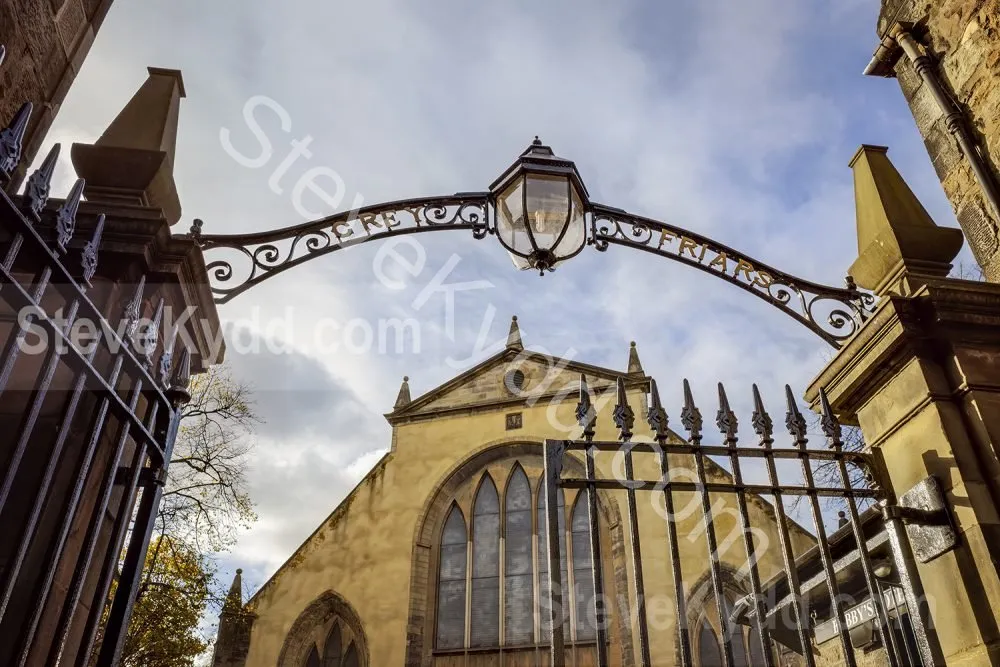 Photo: Greyfriars Kirk, via stevekydd.com
The Battle for the Pews
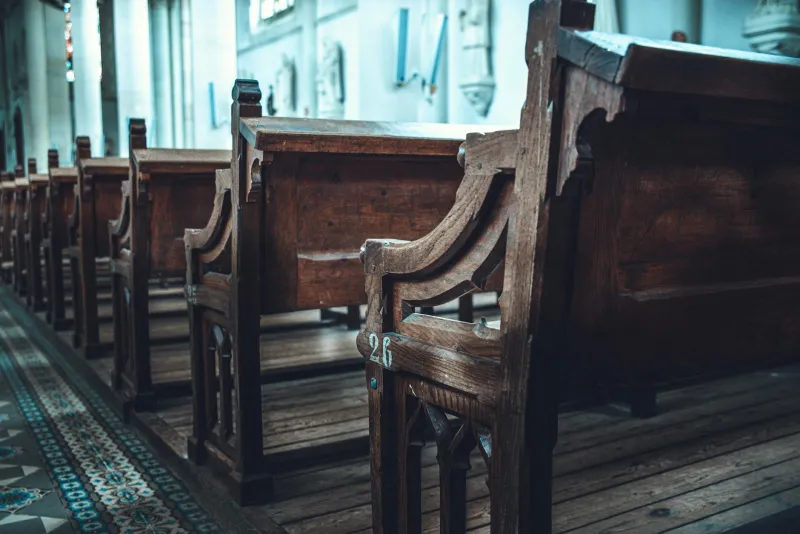
Within each kirk, the allocation of pews represented a complex negotiation of wealth, ancestry, and social influence. The most prestigious seats—those closest to the pulpit with the best acoustics and visibility—commanded annual rents that exceeded many working families' total income. These weren't merely seating arrangements but carefully choreographed displays of social rank that everyone in the congregation could read and interpret.
The Merchant Company's pew in St Giles' occupied prime real estate directly facing the pulpit, whilst legal families claimed the gallery positions that allowed them to survey the entire congregation. Lesser merchants and professional families filled the main floor according to a hierarchy so precise that newcomers required guidance from established members to avoid causing offence through inappropriate seating choices.
Disputes over pew allocation generated surprisingly bitter conflicts that sometimes required intervention from the kirk session or even civil magistrates. The famous "Pew War" of 1738 at the Tron Kirk began when the Sinclair family claimed precedence over the Douglases based on a disputed genealogy, escalating into a legal battle that divided the congregation for nearly a decade.
Educational Territories
The parish system's influence extended far beyond Sunday worship through its control of education and poor relief. Each kirk operated schools that served children from within the parish boundaries, creating educational networks that reinforced social divisions whilst providing opportunities for advancement within prescribed limits.
St Giles' parish school, located in the Lawnmarket, prepared sons of merchant families for university or professional training, whilst the Canongate school focused on practical skills suitable for trade occupations. These educational distinctions weren't merely matters of curriculum but reflected fundamentally different assumptions about students' future social roles and geographical mobility.
The quality of education varied dramatically between parishes, with wealthier congregations able to attract better-qualified masters and maintain superior facilities. This created a feedback loop where educational advantages reinforced existing social hierarchies whilst making genuine social mobility increasingly difficult to achieve.
The Marriage Market
Perhaps nowhere were parish boundaries more influential than in determining marriage prospects. Sunday services functioned as elaborate social theatres where young people could observe and be observed within carefully regulated circumstances. The twice-yearly communion seasons became particularly intense periods of courtship activity, when visiting families from other parishes would join local congregations for extended religious observances.
Marriage records reveal clear patterns of parish endogamy, with most unions occurring between families from the same congregation or closely allied kirks. Cross-parish marriages required careful negotiation about which church would host the ceremony and where the couple would establish their primary religious allegiance—decisions that carried implications for their children's educational opportunities and social connections.
The kirk sessions maintained detailed records of courtship behaviour, intervening when relationships crossed inappropriate social boundaries or threatened to disrupt congregation harmony. These interventions weren't merely moral oversight but represented active management of the parish's social composition and internal stability.
The Commercial Networks
Business relationships followed parish lines with remarkable consistency. Merchant partnerships, craft guild memberships, and professional associations clustered around shared religious affiliations, creating economic networks that reinforced social boundaries. The weekly gathering of congregation members provided opportunities for informal commercial negotiations and the development of trust relationships essential for trade.
Credit arrangements, apprenticeship placements, and business referrals flowed primarily through parish connections, making church attendance a practical necessity for anyone seeking economic advancement. Even families whose religious enthusiasm had cooled maintained their kirk membership for purely commercial reasons, understanding that exclusion from the congregation meant exclusion from the broader business community.
The Disruption and Its Aftermath
The Free Church Disruption of 1843 shattered many of these carefully maintained territorial arrangements. When nearly half of Edinburgh's Presbyterian ministers and their congregations withdrew from the established church, they created new geographical patterns that cut across traditional parish boundaries. Families found themselves choosing between historical allegiances and religious convictions, with decisions that affected their social standing for generations.
The establishment of Free Church congregations in areas like Morningside and Newington created alternative social networks that challenged the old parish system's monopoly on respectable society. These new congregations attracted many of Edinburgh's emerging middle-class families, who appreciated the opportunity to establish their own social hierarchies without reference to ancient precedents.
Traces in the Modern City
Today's Edinburgh retains subtle evidence of these vanished territorial divisions. Property values still reflect historical parish boundaries, with areas served by prestigious kirks commanding premium prices despite the declining influence of organized religion. School catchment areas often follow routes established by medieval parish divisions, perpetuating educational inequalities rooted in centuries-old social distinctions.
The surviving kirks themselves provide the most visible reminder of this lost geography. St Giles' Cathedral continues to host civic ceremonies that echo its role as the merchant elite's spiritual headquarters, whilst Greyfriars maintains its association with Edinburgh's more egalitarian traditions through its famous graveyard and its role in the National Covenant's history.
Walking Edinburgh's streets today, the observant visitor can trace these invisible boundaries through architectural clues: the positioning of former manses, the orientation of closes and wynds toward particular kirks, and the clustering of historically significant buildings around former parish centres. The social map these boundaries once created has faded, but its influence on Edinburgh's character remains embedded in the city's stones and streets.