The Theatre of Flesh and Learning
Within the austere walls of Surgeons' Square, where the Royal College of Surgeons of Edinburgh still stands today, a peculiar form of theatre once unfolded that would have made even the Globe's most bloodthirsty tragedy seem tame. Here, in the early decades of the 19th century, aspiring physicians from across Britain gathered to witness demonstrations that required a most macabre form of stagecraft—fresh human cadavers.
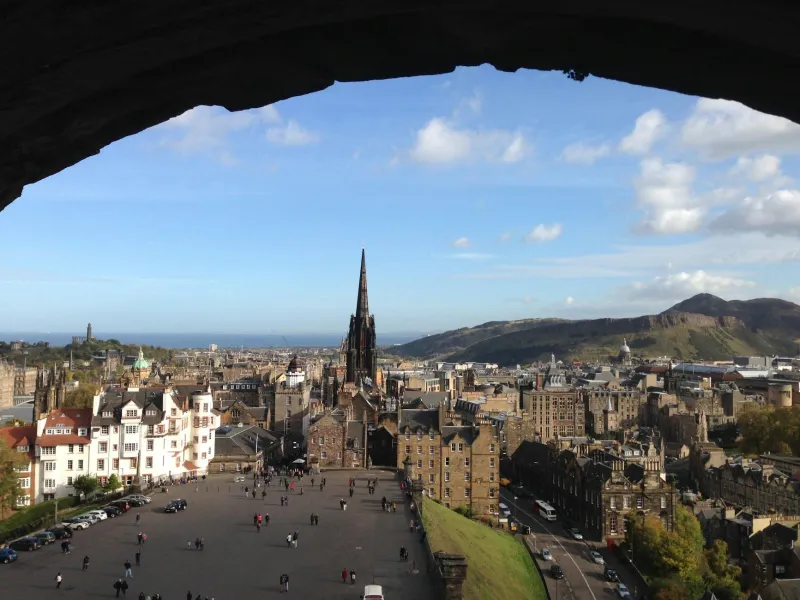
The irony was not lost on contemporary observers that Edinburgh, the Athens of the North, had become equally renowned for its pursuit of enlightenment and its trafficking in death. Yet this contradiction lay at the very heart of the city's medical revolution, transforming Scotland's capital into Europe's most sought-after destination for anatomical education whilst simultaneously earning it a reputation that chilled the blood of every Edinburgh family who had recently buried a loved one.
The Resurrection Trade's Underground Economy
Long before Burke and Hare's infamous murders captured the public imagination in 1828, Edinburgh's graveyards had become nocturnal battlegrounds. The city's medical schools, led by the charismatic Dr Robert Knox and his contemporaries, created an insatiable demand for anatomical specimens that legal sources could never satisfy. Under Scottish law, only the bodies of executed criminals could be legally dissected—a supply woefully inadequate for the hundreds of medical students flocking to Edinburgh each year.
This shortage spawned what locals euphemistically termed the "resurrection trade." Professional body-snatchers, known as "resurrection men" or "sack-'em-up men," operated sophisticated networks throughout the city's numerous kirkyards. These nocturnal entrepreneurs possessed an intimate knowledge of Edinburgh's burial patterns, maintaining detailed intelligence on recent interments and the security measures protecting them.
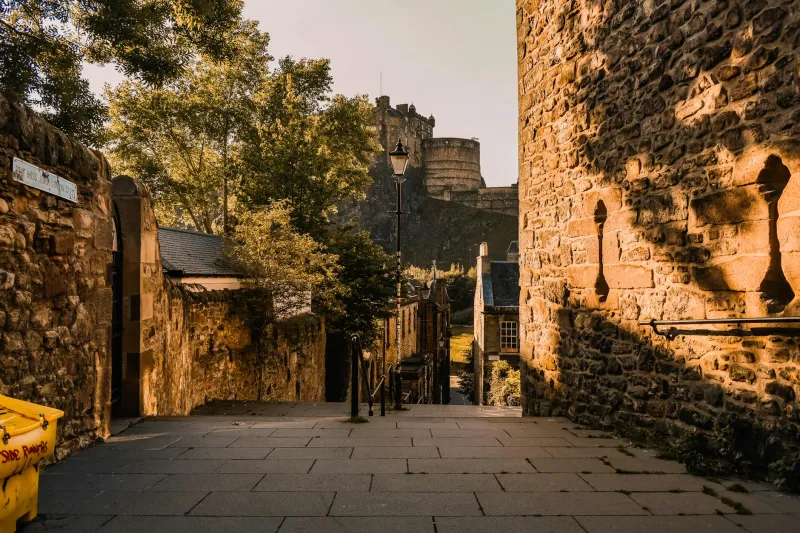
The trade followed established routes through the city's ancient closes and wynds. Bodies lifted from Greyfriars Kirkyard might journey through the Grassmarket's shadowed arches, whilst those taken from Canongate Cemetery travelled the Royal Mile's darker tributaries. Each route was carefully mapped to avoid the City Guard's patrols and the increasingly vigilant cemetery watchers.
Mortsafes and the Architecture of Protection
Edinburgh's response to this grisly commerce created a unique architectural legacy that remains visible today. Wealthy families commissioned elaborate iron mortsafes—cage-like structures that enclosed fresh graves until decomposition rendered the bodies worthless for dissection. These Gothic contraptions, resembling medieval torture devices more than funeral furniture, transformed the city's cemeteries into landscapes of paranoia and protection.
Greyfriars Kirkyard, already famous for its Covenant martyrs, became a fortress of iron and stone. Watch-houses sprouted amongst the tombstones, manned by armed guards who maintained vigils over the recently deceased. Some families went further, employing private watchmen or even relocating bodies to family vaults after the crucial decomposition period had passed.
The kirkyards around Edinburgh developed their own ecosystem of defence. Mortsafe societies emerged, pooling resources to rent protective equipment. Spring-guns and man-traps were deployed amongst the headstones, creating deadly hazards for both resurrection men and innocent visitors. The very geography of death in Edinburgh was reshaped by this underground war between medical ambition and familial devotion.
The Anatomy Theatres' Insatiable Appetite
Dr Robert Knox's anatomy theatre in Surgeons' Square became the epicentre of Edinburgh's medical revolution. His theatrical demonstrations, combining scientific rigour with showmanship, attracted students from across Europe. Knox's reputation for securing the freshest specimens drew particular attention—and particular suspicion when Burke and Hare began their murderous enterprise.
The economic reality was stark: a fresh corpse could fetch between eight and fourteen pounds, equivalent to several months' wages for a working man. This created a market dynamic that inevitably attracted increasingly desperate participants. What began as grave-robbing gradually escalated towards the ultimate horror of murder for anatomical profit.
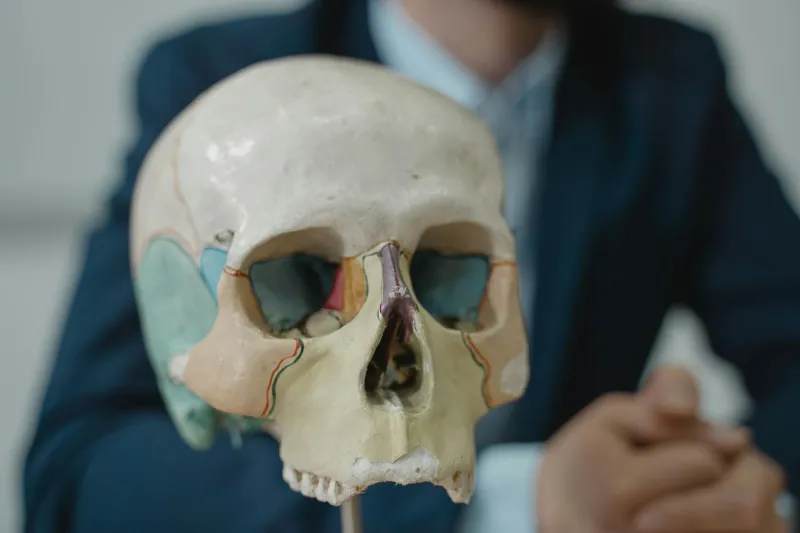
Knox's lectures were performances in their own right, conducted before tiered audiences in purpose-built theatres that resembled classical amphitheatres more than modern operating rooms. The drama was heightened by the knowledge that each demonstration required fresh human remains, obtained through means that polite society preferred not to examine too closely.
Reform Through Revulsion
The Burke and Hare murders of 1828 finally forced Edinburgh—and Britain—to confront the moral bankruptcy of its anatomical education system. The public revulsion that followed their trial created irresistible pressure for legislative reform. The Anatomy Act of 1832 revolutionised medical education by providing legal access to unclaimed bodies from workhouses and hospitals, effectively ending the resurrection trade overnight.
This transformation established Edinburgh's modern reputation as a centre of ethical medical practice. The very excesses that had once scandalised the city ultimately drove the reforms that made it a pioneer of responsible medical education. The Royal College of Surgeons of Edinburgh, once associated with the darkest aspects of anatomical commerce, emerged as a champion of professional standards and ethical practice.
Legacy in Stone and Spirit
Today's visitors to Surgeons' Square encounter few obvious reminders of this dark chapter. Yet the legacy persists in unexpected ways. The mortsafes scattered throughout Edinburgh's historic cemeteries tell their own story of a city grappling with the collision between scientific progress and human dignity. The very excellence of Edinburgh's medical schools, now among the world's most respected, grew from soil enriched by this macabre history.
Edinburgh's medical quarter remains a testament to the city's capacity for transformation. Where resurrection men once carried their grisly cargo through moonlit closes, medical students today pursue their studies within an ethical framework that emerged directly from the scandals of the early 19th century. The Athens of the North learned to reconcile its pursuit of knowledge with its respect for human dignity, creating a legacy that extends far beyond Scotland's borders.
In the closes around Surgeons' Square, where shadows once concealed the darkest trade in human history, Edinburgh's medical community continues to lead the world—this time in healing rather than horror.