The Keepers of Ancient Craft
Walk through Edinburgh's Old Town on any given morning, and you might notice scaffolding wrapped around a medieval tenement or hear the rhythmic tap of hammer on chisel echoing from a narrow close. These sounds mark the presence of Scotland's most dedicated heritage guardians—master craftspeople whose specialised skills represent an unbroken chain stretching back to the builders of medieval Edinburgh.
These artisans work in the shadows of tourism, their contributions largely invisible to the millions who visit Scotland's capital annually. Yet without their painstaking efforts, the Edinburgh we celebrate today would have crumbled into romantic ruins long ago.
The Ancient Art of Stone Healing
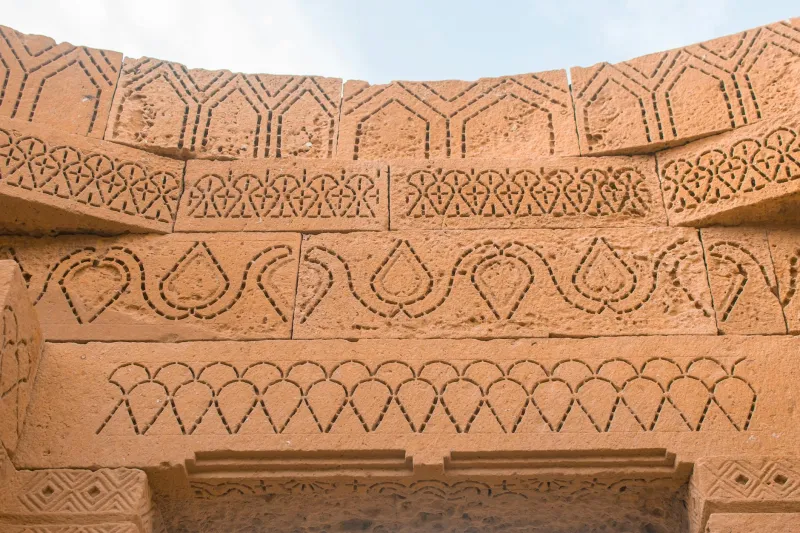
Master stonemason James MacLeod has spent thirty-seven years working with Edinburgh's distinctive Craigleith sandstone, the honey-coloured material that gives the city its characteristic warmth. "Every block tells a story," he explains whilst carefully chiselling a replacement corbel for a 16th-century building on the Royal Mile. "You learn to read the stone's grain, understand how it weathered, what caused the damage."
The challenges facing modern stonemasons would astonish their medieval predecessors. Craigleith quarry, which provided stone for much of Georgian Edinburgh, closed in the 1940s. Today's craftspeople must source compatible stone from quarries across Scotland, sometimes travelling to remote Highland locations to find blocks with the correct geological properties.
"It's not simply about colour matching," MacLeod continues. "The new stone must expand and contract at the same rate as the original, have similar porosity, and weather gracefully alongside 400-year-old neighbours. Get it wrong, and you'll create structural problems that won't manifest for decades."
The Lost Language of Lime
Perhaps no craft is more misunderstood than that of the heritage lime plasterer. Sarah Henderson, one of only twelve certified practitioners in Scotland, works exclusively with hot lime mortars—materials that were standard until the early 20th century but have since been largely replaced by modern cement-based alternatives.
"Medieval builders understood something we forgot," Henderson explains whilst mixing a batch of lime putty that will cure for six months before use. "These buildings need to breathe. Modern cement creates a waterproof barrier that traps moisture, leading to stone decay and structural failure."
The process Henderson employs would be familiar to craftspeople from Robert the Bruce's era. She sources limestone from historic quarries, burns it in traditional kilns, then slakes the resulting quicklime with water—a process that generates tremendous heat and requires considerable skill to manage safely.
Visitors to Edinburgh Castle can witness Henderson's work in the recently restored Great Hall, where lime plaster applied using 14th-century techniques has returned the medieval walls to their original breathable state.
Timber's Ancient Wisdom
Heritage joiner Robert Sinclair represents the third pillar of Edinburgh's conservation community. Working with hand tools that mirror those used by medieval craftsmen, Sinclair specialises in repairing the complex timber frameworks that support the Old Town's towering tenements.
"These buildings were constructed using green oak—timber that was still full of sap when shaped," Sinclair explains whilst examining the roof structure of a Grassmarket property. "As it dried, it twisted and settled into incredibly strong joints. Modern kiln-dried timber simply doesn't behave the same way."
Sinclair sources his materials from ancient Scottish forests, seeking trees with growth patterns that match those used centuries ago. "A beam cut from a Highland oak that grew slowly in harsh conditions will last centuries. Plantation timber from the south might look identical but lacks the density and resin content necessary for longevity."
The Modern Challenges of Ancient Craft
These craftspeople face obstacles their predecessors never encountered. Climate change brings more extreme weather patterns, accelerating erosion of exposed stonework. Air pollution deposits chemicals that react with traditional materials in unexpected ways. Tourism generates vibrations from constant foot traffic that gradually loosens carefully fitted joints.
More concerning is the skills shortage threatening these ancient crafts. "We're not training enough young people," warns MacLeod. "Universities teach modern construction techniques, but there's little provision for traditional skills. When my generation retires, centuries of accumulated knowledge could disappear."
Where Tradition Meets Innovation
Yet these craftspeople aren't mere museum pieces. They increasingly employ modern technology to enhance ancient techniques. Laser scanning creates precise templates for replacement stones. Microscopic analysis reveals the exact composition of historic mortars. Digital monitoring systems track how restored buildings respond to seasonal changes.
"We use whatever tools help us understand and preserve these buildings better," Henderson notes. "The goal isn't to replicate medieval working conditions, but to achieve results that honour the original builders' intentions whilst ensuring longevity."
Witnessing the Craft
Visitors seeking to appreciate these skills should look beyond Edinburgh's major tourist attractions. The ongoing restoration of Riddle's Court, just off the Royal Mile, showcases all three crafts working in harmony. Scheduled tours allow the public to observe stonemasons, lime plasterers, and heritage joiners collaborating on techniques unchanged since the 16th century.
Similarly, the Cockburn Conservation Trust regularly opens restoration sites to public viewing, offering rare glimpses into the meticulous work that preserves Edinburgh's architectural heritage.
These master craftspeople represent more than skilled tradespeople; they are cultural custodians whose dedication ensures that Edinburgh's medieval character remains authentic rather than merely decorative. Their largely invisible work forms the foundation upon which Scotland's capital continues to enchant visitors from across the globe, keeping ancient stones alive for generations yet unborn.