The Symphony of Stone and Steel: Edinburgh's Forgotten Orchestra of Municipal Timekeeping
In our age of perpetual connectivity, where time announces itself through buzzing notifications and glowing screens, it becomes increasingly difficult to imagine a world governed by altogether different temporal rhythms. Yet for centuries, Edinburgh's residents lived their lives according to an elaborate symphony of sounds and natural phenomena that bound the city together in shared experience—a collective chronometer that transformed individual existence into communal ritual.
The Thunder That Marked the Hours
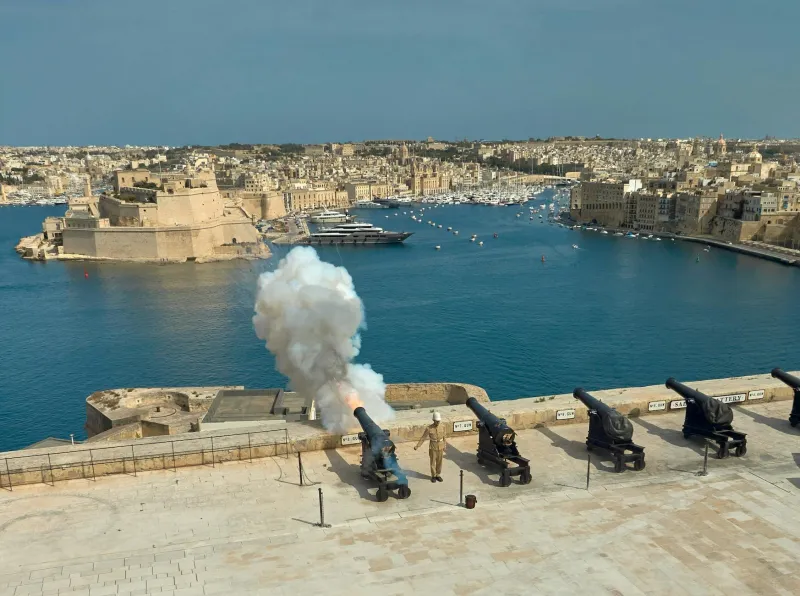
No discussion of Edinburgh's historical timekeeping can begin anywhere other than the Castle Rock, from where the One O'Clock Gun has thundered across the city since 1861. This daily detonation, originally designed to allow ships in Leith harbour to set their chronometers accurately, became far more than a maritime convenience. The gun's report created a moment of shared civic consciousness, when conversations paused, work stopped momentarily, and the entire population acknowledged their place within the rhythm of the day.
The tradition emerged from practical necessity during an era when accurate timepieces remained expensive luxuries. Ships' captains required precise chronometry for navigation, yet the cost of maintaining accurate clocks aboard vessels proved prohibitive. Edinburgh's solution—a daily cannon shot visible from the Forth—demonstrated the city's characteristic blend of pragmatism and civic pride.
Today, the One O'Clock Gun continues its daily ritual, though its audience has transformed dramatically. Where once dock workers and merchants depended upon its report, now tourists gather with cameras raised, capturing a moment of living history that has survived the digital revolution.
Sacred Bells and Secular Time
Long before the Castle's cannon claimed temporal authority, Edinburgh's churches provided the city's heartbeat through their bronze voices. The Tron Kirk, standing sentinel over the Royal Mile, served as perhaps the most significant timekeeper in the Old Town. Its bell marked not merely the hours but the rhythm of Edinburgh life—calling citizens to worship, announcing curfews, and signalling the opening and closing of markets.
These ecclesiastical chronometers created what historians term 'sacred time'—periods when the entire community moved according to shared religious observance. The bells of St. Giles' Cathedral, the Canongate Kirk, and numerous smaller churches created overlapping circles of temporal influence, each neighbourhood responding to its particular bronze summons.
The relationship between sacred and secular timekeeping proved complex and occasionally contentious. During the Reformation, control over Edinburgh's bells became a matter of religious and political significance. Who possessed the authority to mark time held power over the population's daily rhythm—a responsibility that extended far beyond mere convenience into the realm of civic control.
Tidal Rhythms and Commercial Life
While bells and cannon marked human-imposed temporal divisions, the Forth's tidal movements provided Edinburgh with a natural chronometer that governed commercial life with inexorable authority. Merchants, particularly those involved in international trade through Leith, organised their activities around the tide tables with religious precision.
The twice-daily tidal cycle created what might be termed 'maritime time'—periods when the harbour bustled with activity as ships arrived or departed, alternating with quieter intervals when the water level prevented navigation. This natural rhythm influenced not merely those directly involved in shipping but rippled throughout Edinburgh's economy, affecting everyone from stevedores to tavern keepers who served the maritime community.
Porter's lodges and merchant houses maintained detailed tidal charts, and the ability to predict optimal sailing conditions became a valuable commercial skill. The city's prosperity depended upon understanding and working within these natural constraints, creating a temporal framework that balanced human ambition with environmental reality.
The Democracy of Shared Time
What emerges from examining Edinburgh's historical timekeeping is the profoundly democratic nature of these shared temporal markers. Unlike private timepieces, which remained luxury items well into the nineteenth century, the city's bells, cannon, and tidal rhythms belonged equally to all residents. A duke and a docker both heard the same One O'Clock Gun; a merchant and a maidservant both responded to the Tron Kirk's bronze summons.
This temporal democracy created what sociologists term 'synchronised community'—moments when individual experience merged into collective consciousness. The shared acknowledgement of time created bonds that transcended social class, binding Edinburgh's diverse population into a unified civic identity.
Living Heritage in a Digital Age
Remarkably, several elements of Edinburgh's historical timekeeping system survive as living traditions rather than mere tourist attractions. The One O'Clock Gun continues its daily performance, though its practical purpose has largely evaporated. Church bells still mark significant occasions, creating moments of shared civic experience that echo their historical role.
Yet the character of these surviving traditions has inevitably transformed. Where once they served essential practical functions, they now operate primarily as heritage experiences—connections to Edinburgh's temporal past that remind contemporary residents of their city's layered history.
The Silence of Modern Time
Perhaps what strikes the contemporary observer most forcefully about Edinburgh's historical timekeeping is its essentially communal character. In our current era of individualised temporal experience—where each person carries their private chronometer and creates their personal schedule—the idea of an entire city moving according to shared temporal signals seems almost fantastical.
Yet traces of this older rhythm persist in Edinburgh's stones and stories, reminding us that time itself possesses cultural dimensions that extend far beyond mere measurement. In understanding how our ancestors organised their days around cannon fire and church bells, we glimpse a different relationship with time—one that prioritised community over convenience, shared experience over individual efficiency.
The next time the One O'Clock Gun thunders across Edinburgh, perhaps we might pause to acknowledge not merely a tourist spectacle but the echo of a profoundly different way of being in time—one that bound the city together in rhythms as reliable as the tides themselves.