When Hammers Rang Through Wynds: The Master Craftsmen Who Made Edinburgh's Closes Their Workshops
The tourist who strolls down the Royal Mile today walks through what was once Edinburgh's greatest industrial estate. Behind the stone facades and beneath the modern shopfronts lies evidence of a lost world where every close rang with the sounds of specialist trades, each narrow passageway transformed into a workshop quarter that fed the appetites and needs of Scotland's ancient capital.
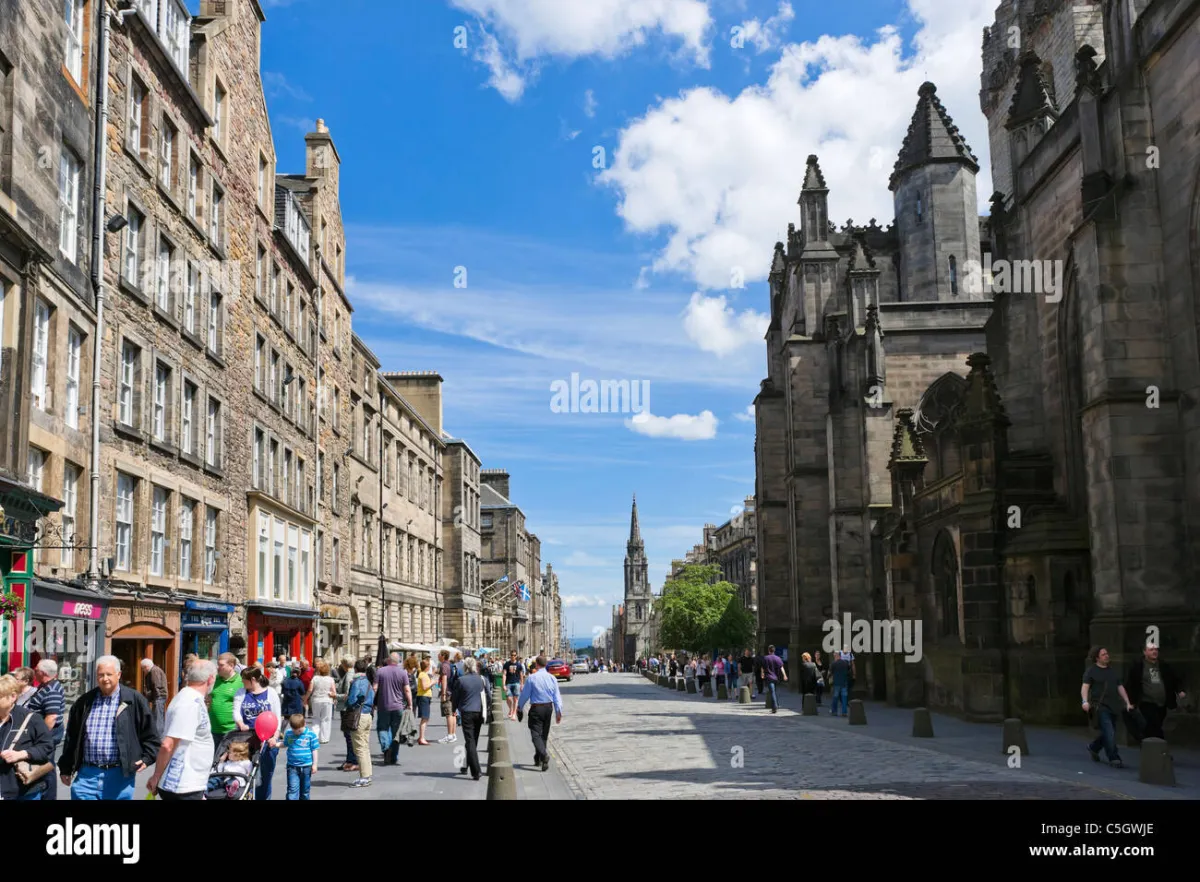 Photo: Royal Mile, via c8.alamy.com
The Aromatic Geography of Medieval Commerce
Edinburgh's closes weren't simply residential streets—they were carefully organised industrial districts where related trades clustered together, creating distinct sensory neighbourhoods that residents could navigate by smell alone. Candlemaker Row, still bearing its original name, once reeked of rendered tallow and beeswax as master chandlers dipped wicks in scalding fat. The acrid smoke from their workshops would have hung heavy in the narrow space, whilst apprentices hauled barrels of animal fat up the steep incline from the Cowgate below.
Further along the spine of the Old Town, Fleshmarket Close earned its name from the butchers who operated there, but it also housed the tanners and leather workers who processed the hides. The stench would have been overwhelming—a cocktail of rotting flesh, urine used in the tanning process, and the sharp chemical bite of oak bark. Yet this malodorous environment supported dozens of families, from the master tanners who owned the workshops to the young lads who scraped hides clean.
The Rhythm of the Working Close
In Bakehouse Close, the day began before dawn as bakers fired their ovens, sending clouds of flour dust and the sweet aroma of rising bread through the narrow canyon. The close would have echoed with the rhythmic thump of kneading and the scrape of wooden peels sliding loaves into stone ovens. By mid-morning, the air would shimmer with heat as dozens of bakeries operated simultaneously, their chimneys creating a microclimate that kept the close perpetually warm.
The coopers of the Canongate developed their own distinctive soundscape. The sharp crack of splitting wood, the methodical tapping of metal hoops being fitted, and the hollow resonance of barrels being tested for leaks created a percussion that residents could hear streets away. These craftsmen were essential to Edinburgh's economy—their barrels stored everything from ale to salted fish, whilst their expertise in waterproofing made them indispensable to the city's merchants.
The Dyers' Rainbow World
Perhaps no trade created a more dramatic transformation of their environment than the cloth dyers who operated in several closes leading down to the Nor Loch. These craftsmen turned their workshops into laboratories of colour, hanging lengths of wool and linen from every available beam and rafter. The stone walls of their closes would have been permanently stained with splashes of indigo, madder red, and weld yellow.
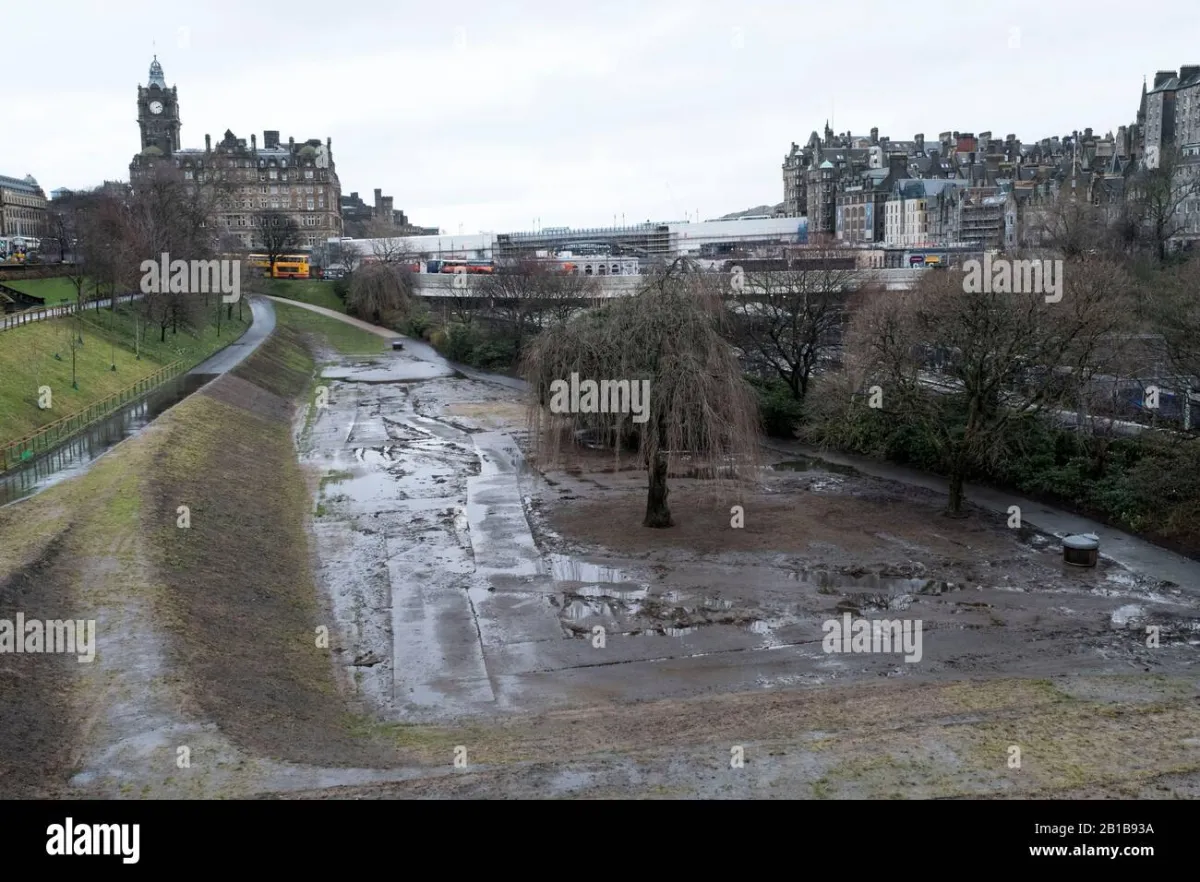 Photo: Nor Loch, via c8.alamy.com
The dyers' workshops required constant access to water, leading them to establish a complex system of channels and cisterns that diverted streams down through the closes. The runoff from their vats created rainbow puddles in the gutters, whilst the mordants used to fix colours—including human urine collected from across the city—added their own pungent contribution to the close's atmosphere.
The Metalworkers' Forge Quarter
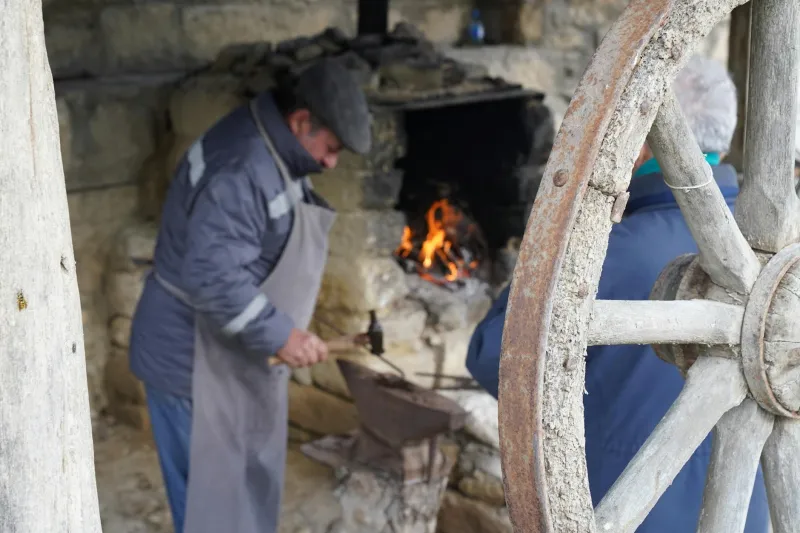
The blacksmiths and farriers concentrated in closes that provided both access to the main thoroughfares and sufficient space for their anvils and forges. Advocates Close, despite its legal associations, once housed several smithies whose bellows would have glowed through the night. The metalworkers created their own ecosystem—the blacksmiths forging tools and household items, the farriers shoeing the countless horses that served the city, and the whitesmiths crafting pewter vessels for Edinburgh's growing merchant class.
The heat from their forges created updrafts that carried sparks and smoke high above the closes, whilst the constant hammering on metal created a rhythm that became part of the city's heartbeat. Apprentices would have scurried between workshops carrying glowing iron, their leather aprons scorched and their faces blackened with soot.
Traces Beneath Our Feet
Today's visitor to Edinburgh's Old Town walks through this industrial heritage largely unaware of the workshops that once thrived beneath their feet. Yet careful observers can still find evidence of this vanished world. The irregular paving stones in many closes follow the outlines of former workshop floors, whilst blocked doorways and bricked-up windows hint at spaces once filled with the tools of forgotten trades.
Street names provide the most obvious clues—Candlemaker Row, Fleshmarket Close, and Bakehouse Close wear their industrial heritage openly. But subtler evidence exists in the architecture itself. The unusually wide doorways in some closes were designed to accommodate the movement of raw materials and finished goods, whilst the placement of windows reflects the lighting needs of different crafts.
The Legacy of Specialised Labour
The close-based workshop system that defined medieval Edinburgh created more than just economic prosperity—it forged a civic identity based on skilled craftsmanship and mutual interdependence. Each narrow passageway functioned as both workplace and community, where master craftsmen passed skills to apprentices whilst their families lived in the floors above their workshops.
This intimate connection between living and working spaces created a urban fabric that modern cities struggle to replicate. The closes weren't simply streets—they were vertical villages where the sounds, smells, and rhythms of skilled labour provided the soundtrack to daily life.
When you next walk the Royal Mile, pause at the entrance to any surviving close and imagine the sensory assault that would have greeted visitors five centuries ago. The Edinburgh that tourists see today—all cleaned stone and heritage plaques—is built upon foundations that once rang with hammers, reeked of tallow, and glowed with the fires of a hundred different trades.