Rails to Nowhere: Tracing Edinburgh's Vanished Victorian Stations and Their Ghostly Routes
Edinburgh's railway map once resembled a spider's web, with iron threads reaching into every corner of the city. Today, only Waverley and Haymarket survive from what was once a complex network of stations that brought the Industrial Revolution directly to the doorsteps of ordinary Scots. These lost stations didn't simply disappear—they left behind a hidden geography that determined how neighbourhoods developed, where people settled, and how communities formed around the promise of connection to the wider world.
The Grand Terminus That Never Was
Caledonian Road Station, opened in 1848, represented the pinnacle of Victorian railway ambition in Edinburgh. Built by the Caledonian Railway Company as their northern terminus, it featured an impressive neo-classical facade that rivalled any public building in the city. The station's location at the western edge of the New Town was carefully chosen to serve the expanding residential areas whilst avoiding the congested medieval core.
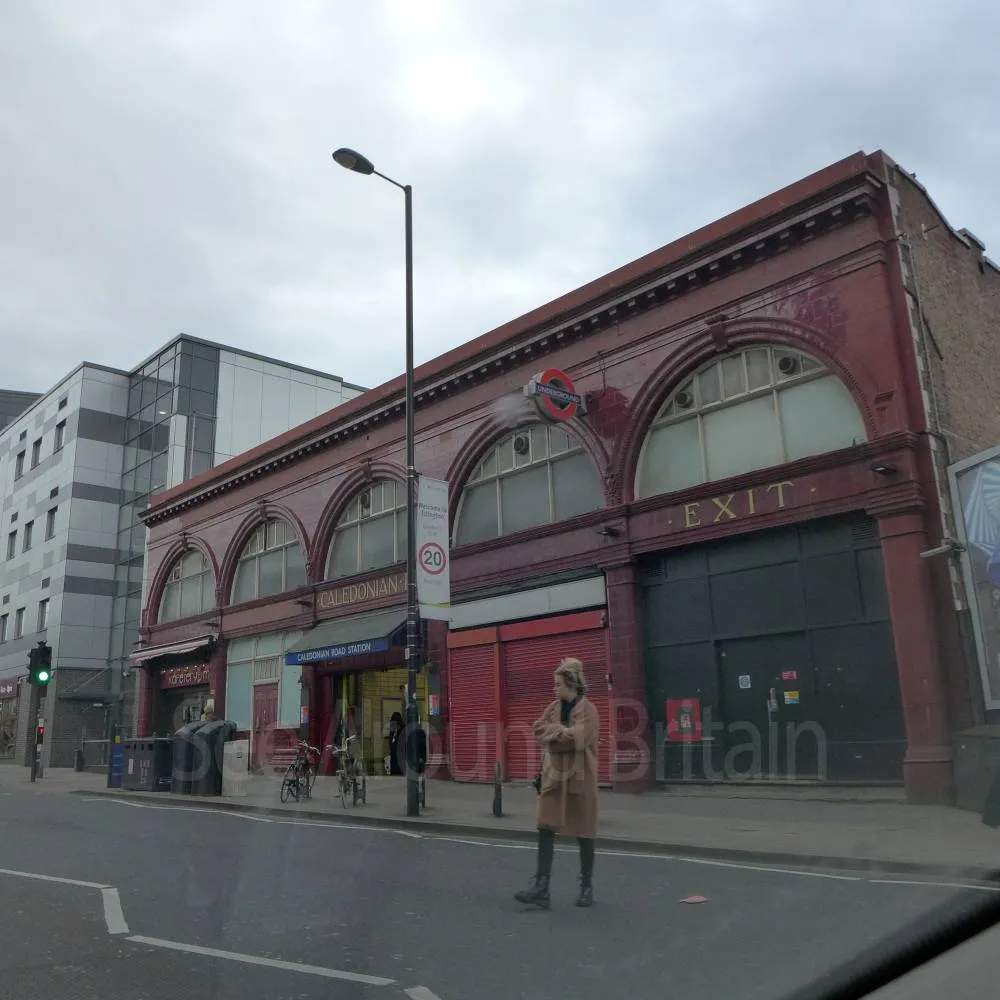 Photo: Caledonian Road Station, via cdn.seearoundbritain.com
For nearly a century, Caledonian Road welcomed travellers from Glasgow and the south, its platforms bustling with porters wheeling luggage barrows and vendors selling newspapers and refreshments. The surrounding streets—Rutland Square, Shandwick Place, and the western reaches of Princes Street—developed their commercial character largely in response to the steady flow of passengers seeking hotels, restaurants, and transport connections.
The station's closure in 1965 marked the end of an era, but traces of its presence remain for those who know where to look. The Caledonian Hotel, now the Waldorf Astoria Edinburgh, still stands as a monument to railway grandeur, whilst the former station building houses the Edinburgh International Conference Centre. The broad sweep of Lothian Road follows the original approach to the station, and the unusual width of the pavements reflects their former role as passenger concourses.
The Suburban Dream Shattered
Barnton Station, which served the northwestern suburbs from 1894 to 1951, tells a different story of railway ambition and ultimate failure. Built to serve the growing residential developments around Davidson's Mains and Cramond, it represented the Victorian belief that railways could create new communities by connecting them to the city centre.
The station itself was a modest affair—a simple wooden building with a single platform—but its impact on local development was profound. The areas around Barnton became popular with middle-class families seeking suburban tranquillity within easy reach of Edinburgh's commercial heart. Villas and terraced houses sprouted along the approach roads, whilst local businesses established themselves to serve the commuting population.
Today, the former railway line has been transformed into a walking and cycling path that offers one of Edinburgh's most pleasant suburban rambles. The route follows the original trackbed through Roseburn Park and along the Water of Leith, passing beneath bridges that once carried trains and alongside embankments now colonised by wildlife. The former station site at Barnton is marked only by a slight widening in the path and the remains of a platform edge hidden beneath brambles.
The Port That Lost Its Connection
Leith Central Station, operational from 1903 to 1952, served Edinburgh's historic port district during its final decades as a major commercial harbour. Unlike the grand termini of the city centre, Leith Central was built for utility—a functional building designed to move goods and passengers between the docks and the capital's railway network.
The station's platforms witnessed the departure of countless Scots emigrating to Canada and Australia, their worldly possessions loaded into cargo holds whilst they clutched third-class tickets to new lives. During both World Wars, it served as a crucial link in the supply chain that kept Britain fed and armed, with military trains arriving throughout the night carrying personnel and equipment bound for the naval facilities at Rosyth.
The station's site on Duke Street now houses a supermarket, but the surrounding area retains the grid pattern of streets that was laid out to serve railway passengers. The width of Duke Street itself reflects its former role as the main approach to the station, whilst several buildings along the route still bear the distinctive Victorian commercial architecture that catered to travellers.
Following the Phantom Routes
For the modern heritage walker, Edinburgh's lost railway lines offer some of the city's most rewarding urban exploration. The Innocent Railway, Edinburgh's first passenger line, has been converted into a cycle path that runs from Holyrood Park to Musselburgh, passing through the remarkable Innocent Tunnel beneath Arthur's Seat. The route provides a unique perspective on Edinburgh's southern suburbs whilst following the exact path that Victorian passengers once travelled.
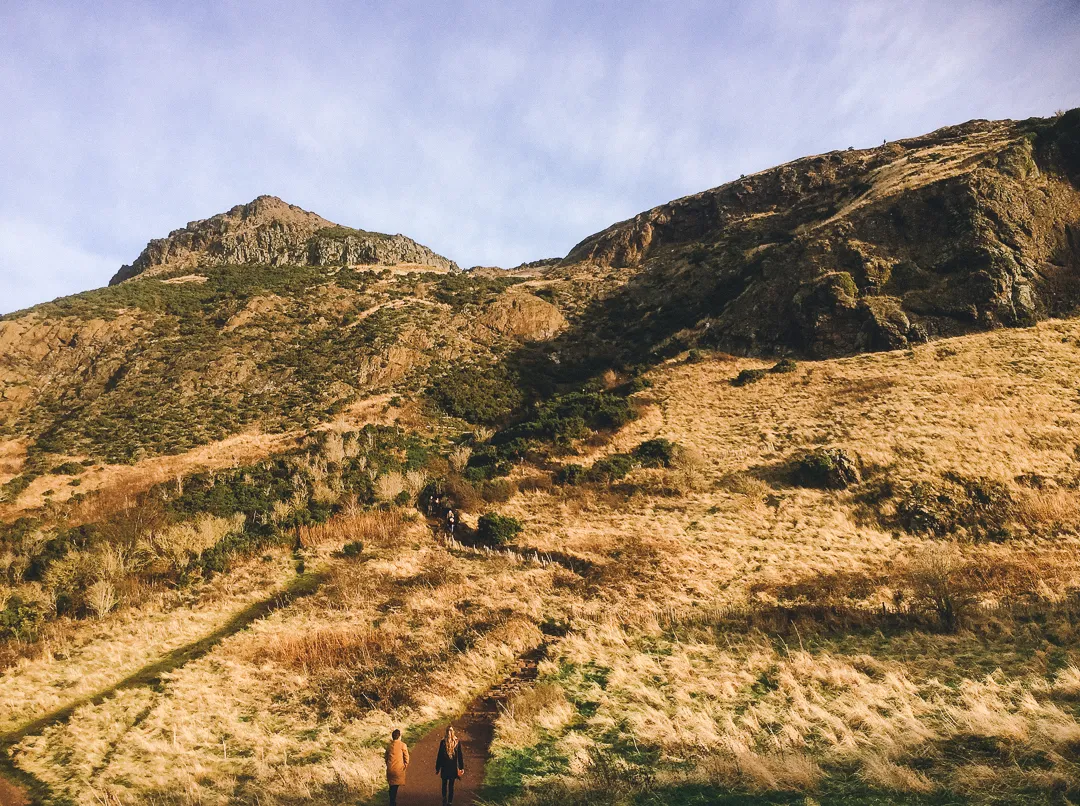 Photo: Arthur's Seat, via i0.wp.com
The former Caledonian Railway main line can be traced from Princes Street Gardens westward through Gorgie and beyond, much of it now forming part of the Union Canal towpath. This route reveals how railway construction transformed entire districts, with the massive embankments and cuttings still visible as permanent scars across Edinburgh's landscape.
Architectural Archaeology
The careful observer can identify former railway buildings throughout Edinburgh by their distinctive architectural features. Station buildings typically featured high ceilings to accommodate steam and smoke, large windows for natural lighting, and robust construction to withstand the vibrations of passing trains. Many survive in altered forms—the former Granton Station now serves as a community centre, whilst several suburban stations have been converted into private residences.
Bridge architecture provides another clue to Edinburgh's railway past. The city's numerous railway bridges were built to carry enormous loads and often feature decorative stonework that reflected the civic pride of their builders. Many survive long after the lines they carried have been abandoned, creating puzzling architectural features that span roads and rivers with no apparent purpose.
The Social Legacy of Lost Lines
The impact of Edinburgh's vanished railways extends far beyond transportation history. These lines shaped where people lived, worked, and socialised, creating communities that persisted long after the last trains departed. The areas around former stations often retain a distinct character—a mixture of Victorian commercial architecture and residential streets laid out on the grid patterns that served railway passengers.
The closure of these stations also marked the end of a particular kind of urban life. Railway stations were social centres where news was exchanged, business conducted, and farewells made. Their waiting rooms served as informal community centres, whilst their approach roads became local high streets lined with shops and services.
Walking the Ghost Lines Today
Modern Edinburgh offers numerous opportunities to follow these phantom railway routes. The Water of Leith Walkway incorporates several former railway alignments, whilst the Meadows and Bruntsfield Links preserve the corridors once proposed for lines that were never built. Each route offers a different perspective on how railways shaped urban development, from the grand gestures of the main lines to the intimate scale of suburban branches.
These walks reveal Edinburgh as a palimpsest—a city where each layer of development has been written over previous iterations whilst still bearing traces of what came before. The railways that once defined the city's geography continue to influence its development, their abandoned routes providing green corridors and their former stations serving as focal points for modern communities.
For the heritage-minded visitor, tracing Edinburgh's lost railways offers a unique way to understand how the city developed its current form whilst discovering hidden corners that even longtime residents might overlook.