Mortar, Pestle and Mystery: The Ancient Pharmaceutical Quarter That Once Flourished in Edinburgh's Medieval Closes
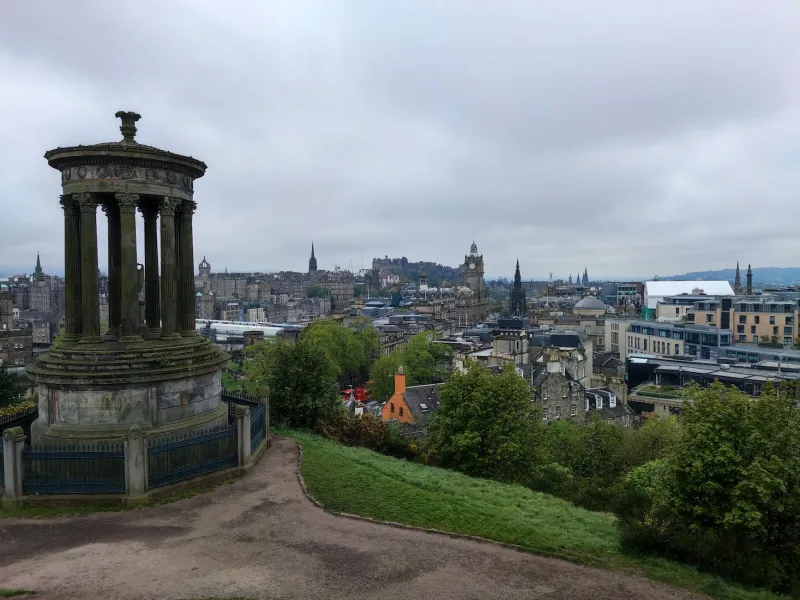
Wander through Edinburgh's Old Town today, and you'll find precious few reminders of the bustling pharmaceutical trade that once dominated its closes and wynds. Yet for over five centuries, from medieval times through the Victorian era, the narrow streets between the Grassmarket and the Royal Mile housed Scotland's most sophisticated network of apothecaries, druggists, and herbalists—practitioners who blended medicine with mysticism in ways that would astound modern pharmacists.
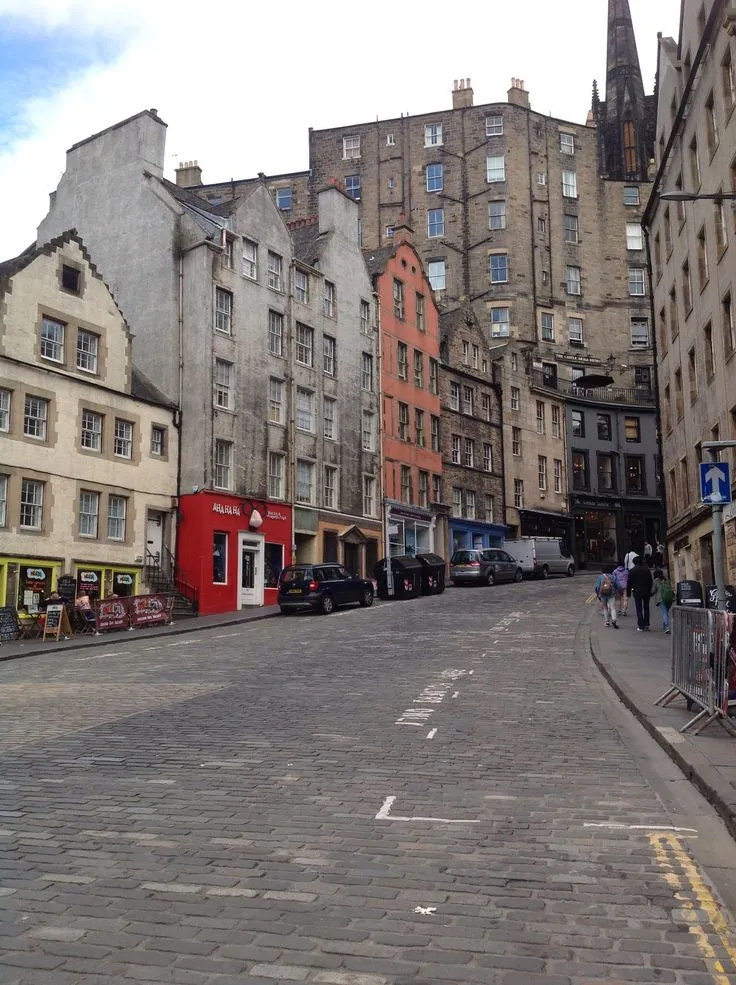 Photo: Royal Mile, via i.pinimg.com
The Guild of Surgeon Apothecaries: Edinburgh's Medical Elite
The story begins in 1505, when Edinburgh's Incorporation of Surgeons received its royal charter, establishing the city as Scotland's pre-eminent centre for medical learning. Unlike their English counterparts, Edinburgh's apothecaries weren't merely shopkeepers—they were learned men who combined the roles of physician, chemist, and natural philosopher. Their premises, concentrated along the Cowgate and in the closes leading off the High Street, served as consulting rooms, laboratories, and retail establishments all at once.
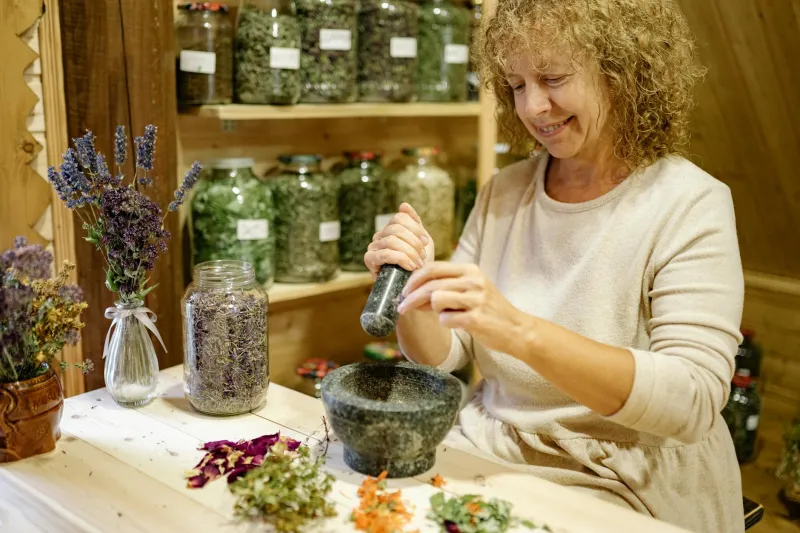
The most prestigious of these establishments occupied prime positions near the Mercat Cross, where wealthy merchants and nobility could discreetly seek treatments for ailments ranging from melancholia to the French pox. Here, behind elaborately carved wooden shopfronts bearing the mortar and pestle insignia, Edinburgh's apothecaries dispensed remedies that combined classical learning with folk wisdom passed down through generations.
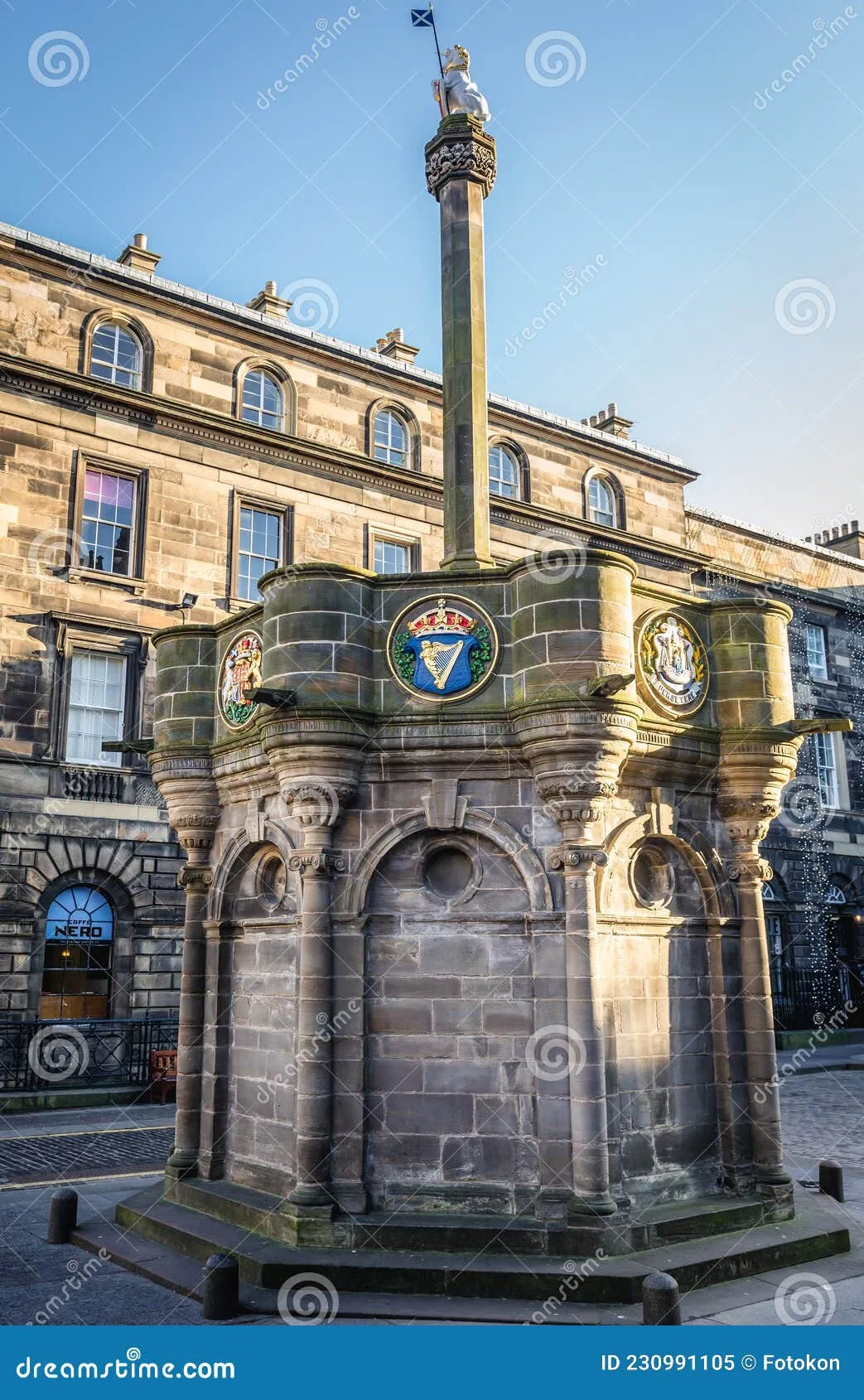 Photo: Mercat Cross, via thumbs.dreamstime.com
Exotic Ingredients and Ancient Remedies
The shelves of a typical Edinburgh apothecary would have astounded visitors from rural Scotland. Glass jars contained powdered unicorn horn (actually narwhal tusk), bezar stones from the stomachs of Persian goats, and mithridate—a complex antidote supposedly containing over sixty ingredients including viper's flesh and opium. These exotic substances arrived via Edinburgh's port of Leith, brought by merchants who understood that the city's educated population would pay handsomely for the latest continental remedies.
Yet alongside these costly imports sat humble local ingredients that formed the backbone of Scottish folk medicine. Edinburgh's apothecaries were among the first to systematically document the medicinal properties of native plants like bog myrtle, meadowsweet, and the various mosses that grew abundantly on the city's volcanic outcrops. They prepared tinctures from Edinburgh's own spring water, believing that the city's unique geological setting imbued local remedies with special potency.
The Peculiar Prescriptions of Old Edinburgh
The surviving prescription books from Edinburgh's historic apothecaries reveal a medical world that operated according to entirely different principles from modern medicine. Treatments were based on the ancient theory of humours, which held that illness resulted from imbalances between blood, phlegm, yellow bile, and black bile. A typical remedy for depression might combine mercury (to increase heat), ground pearls (to calm the spirits), and extract of hellebore (to purge melancholic humours)—a cocktail that would likely have killed the patient faster than the original complaint.
Perhaps most remarkably, Edinburgh's apothecaries regularly prescribed treatments that blended Christian symbolism with pre-Christian magic. Remedies were often prepared during specific phases of the moon, blessed with Latin incantations, or mixed with water that had been blessed at particular shrines. The boundary between legitimate medicine and supernatural healing remained fluid well into the eighteenth century.
Surviving Traces of a Lost Trade
Today, only fragments remain of Edinburgh's once-thriving pharmaceutical quarter. Advocates Close, just off the High Street, takes its name from the legal advocates who later occupied buildings that had previously housed apothecary shops. More tellingly, Fleshmarket Close—now known primarily for its restaurants—was once home to the city's most successful drug merchants, who sold both medicinal herbs and the exotic spices used in wealthy households.
The most tangible survival can be found at Riddle's Court, where careful restoration work has revealed painted ceiling panels depicting medicinal plants alongside religious symbols. These decorations, dating from the late sixteenth century, adorned the premises of David Kinloch, one of Edinburgh's most celebrated apothecaries, whose clients included Mary Queen of Scots herself.
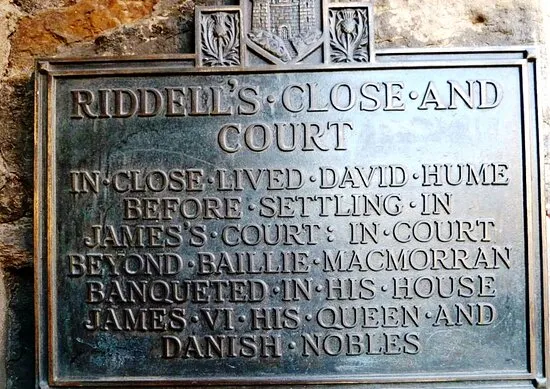 Photo: Riddle's Court, via media-cdn.tripadvisor.com
The Enlightenment's End to Ancient Ways
The golden age of Edinburgh's mystical apothecaries began to wane during the Scottish Enlightenment, as the city's medical school embraced more rigorous scientific methods. The founding of the Royal College of Physicians of Edinburgh in 1681 marked the beginning of the end for practitioners who mixed superstition with their pharmaceuticals. By the Victorian era, the romantic apothecary shops of the Old Town had largely given way to more prosaic chemist shops, their exotic ingredients replaced by mass-produced patent medicines.
Yet the legacy of Edinburgh's apothecaries lives on in the city's continued reputation for medical excellence. The same spirit of inquiry that led medieval druggists to experiment with unicorn horn and powdered mummy eventually evolved into the scientific rigour that made Edinburgh's medical school world-renowned. In the closes and wynds where ancient apothecaries once mixed their mysterious remedies, modern Edinburgh continues to push the boundaries of pharmaceutical knowledge—though thankfully with rather less reliance on magical thinking.